Why Rushing Itineraries Ruin Himalayan Experiences
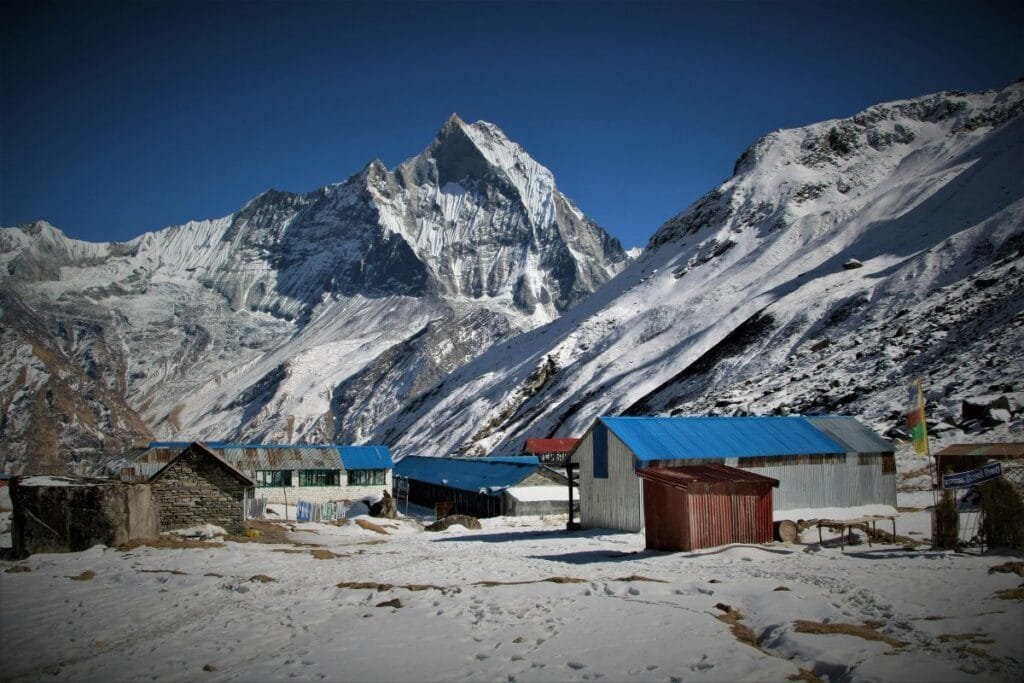
In Nepal, mountains do not reward speed. They reward patience, awareness, and the willingness to move in harmony with the land. The Himalayas have their own rhythm shaped by weather, altitude, and centuries of human life and they reveal their beauty slowly, only to those who take the time to notice.
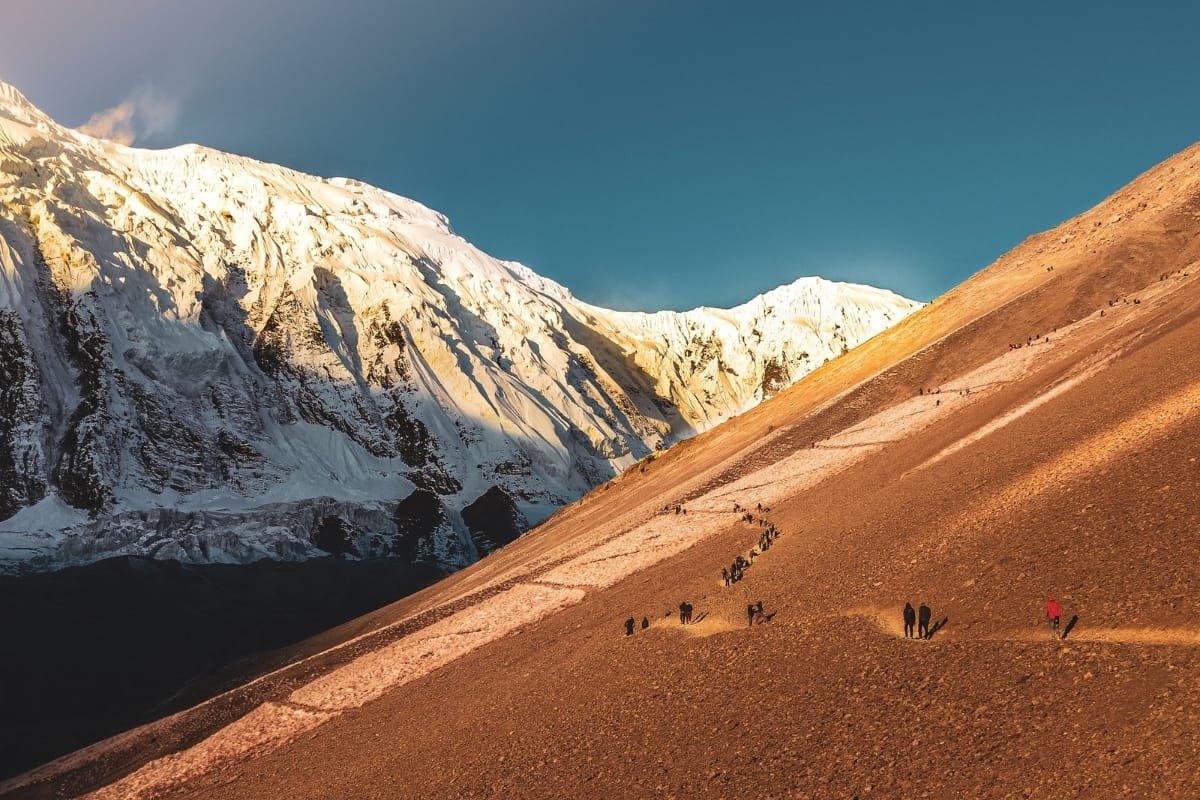
Yet many trekking itineraries today are designed like checklists: reach the next village, tick the next viewpoint, sleep, repeat. Days are measured in kilometers instead of moments. The Himalayas slowly turn into something to “complete” rather than something to feel. When trekkers rush through Nepal, they may reach the destination on time, but they miss the quiet mornings, the unplanned conversations, and the subtle shifts in landscape that give the journey its soul. In the end, they arrive but without fully experiencing what makes the destination truly meaningful.
The Himalayas Were Never Meant to Be Rushed
Villages in the mountains still follow natural rhythms—sunrise decides the day, not alarms. Locals walk slowly, stop often, talk longer, and drink tea without checking the time. Trekking, in its truest form, grew from this same rhythm.
When itineraries are rushed, trekkers walk past:
- Villages without understanding their stories
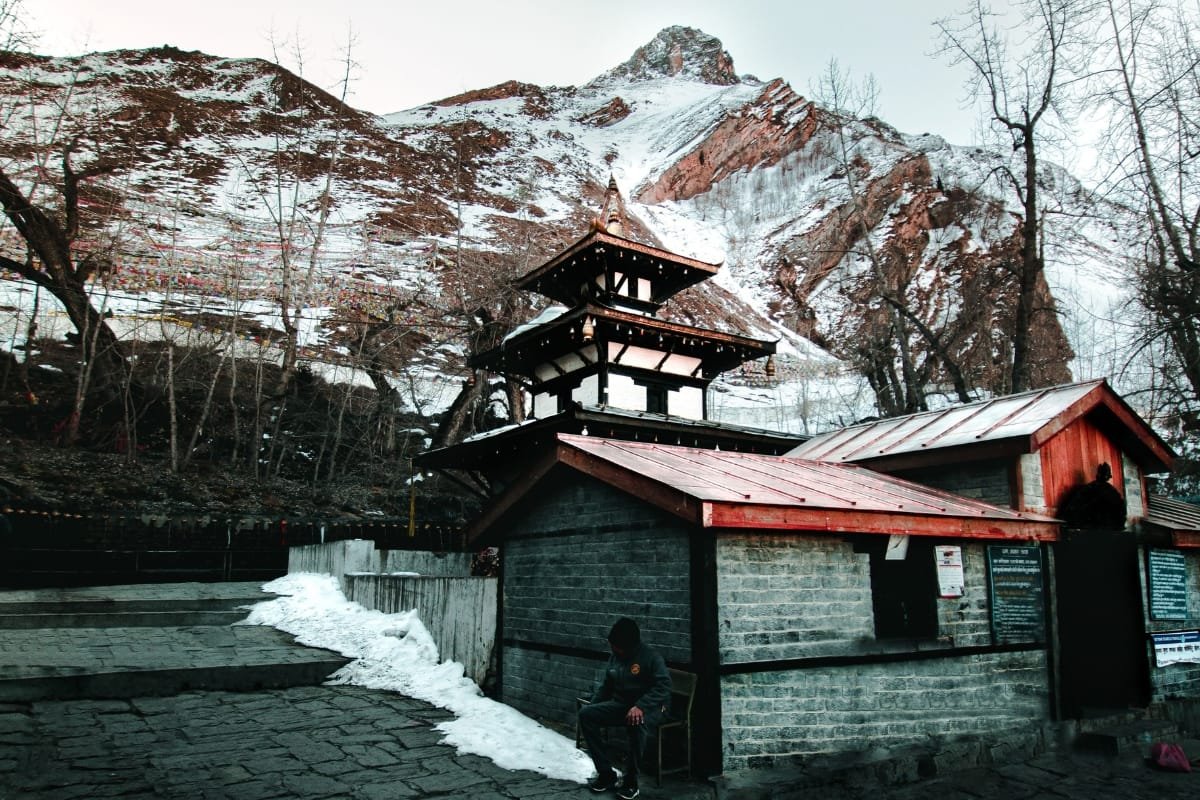
- Monasteries without hearing their silence
- Landscapes without noticing their details
The trail becomes a corridor, not a conversation.
Altitude Demands Time, Not Strength
Many people believe trekking difficulty is about fitness. In the Himalayas, it is about respect for altitude, weather, and the body.
Rushed itineraries push trekkers higher without proper acclimatization. This doesn’t just increase the risk of altitude sickness; it disconnects trekkers from their own physical awareness. Slow trekking allows the body to adapt naturally, sleep better, eat better, and walk with confidence instead of anxiety.
The mountains notice when you listen.
Culture Lives in the Pauses, Not the Pace
Some of Nepal’s most meaningful moments happen when nothing is planned at all. They happen when the day slows down and the trail stops asking you to move forward.
It might be sitting by a fire inside a Tamang kitchen, hands warming as stories are shared in a language you don’t fully understand—but somehow feel. It might be waking before sunrise to hear monks chanting in a monastery, their prayers carrying through the cold air long before the village stirs. Or it could be children walking home from school, laughing, curious, and unbothered by the mountains that feel so overwhelming to visitors.
These moments don’t exist in tight itineraries or rushed schedules. You don’t “arrive” at them. They find you when you allow yourself to stop, to sit, to watch, and to be present.
When you rush, culture becomes something you capture quickly a photo, a glance, a memory half-formed. But when you slow down, it settles into you. The faces, the sounds, and the warmth of small interactions stay long after the trek ends. That’s when experiences stop being images and start becoming stories you carry with you.
The Myth of “More in Less Time”
There is a growing idea that shorter itineraries are more efficient. But efficiency in the Himalayas often costs depth. Reaching a viewpoint is easy; understanding why locals consider it sacred takes time.
Trekkers who slow down often say the same thing at the end of their journey—not that they wish they had gone further, but that they wish they had stayed longer.
When the Trail Changes You
Something unexpected happens on slower treks. The mind quiets. Thoughts stretch. Walking becomes meditative. The mountains stop feeling overwhelming and start feeling familiar.
This is when trekking shifts from activity to experience—from movement to meaning.
The Himalayas are not a race. They are a reminder.
Choosing a Slower Way to Trek Nepal
Slow trekking is not about luxury or comfort. It is about intention. Fewer hours of walking, better acclimatization, longer stays, and room for unplanned moments.
Nepal reveals its true character to those who walk with time, not against it.
Because in the end, the mountains will still be there tomorrow.
The question is whether you gave yourself enough time to truly be there too.