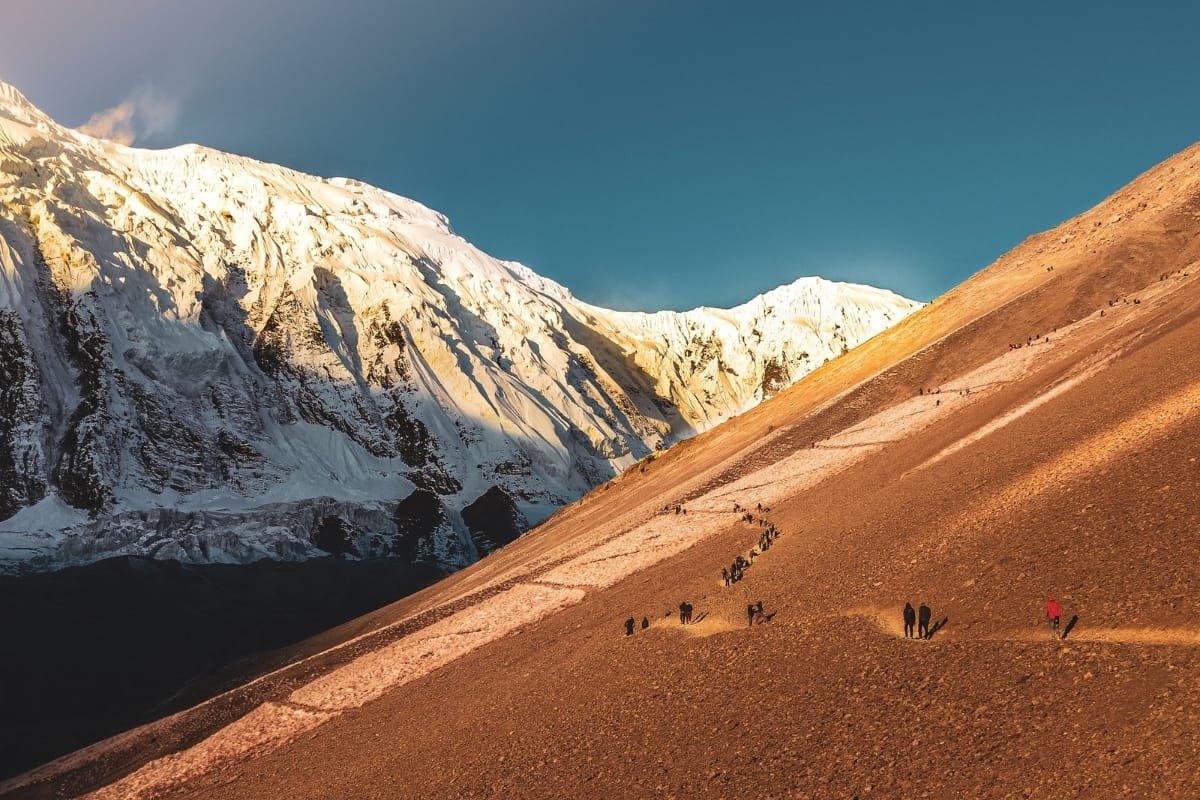
There’s a specific kind of silence you only find in the Himalayas. It’s the kind that settles in your bones when you’re huffing up a steep ridge, sweat cooling on your neck, with nothing but the shadow of a 7,000-meter peak for company.
At that moment, the question always hits: “Should I be doing this alone?”
At FroxHolidays, we talk to travelers every day who are torn between the raw independence of a solo trek and the grounded security of a guided journey. Since the rules for hiking in Nepal shifted (making guides mandatory for most protected regions), the “solo” dream looks a bit different now. But beyond the legalities, let’s talk about the soul of the trek.
Here is the raw, unfiltered truth about which path truly fits your spirit.
The Solo Path: High Autonomy, Heavy Weight
There is something beautiful about solo trekking. It’s just you, your backpack, and the trail. You stop when you want to take a photo; you move fast when you feel strong. It is a true test of your own strength.
The Reality Check: Solo trekking means you are responsible for everything.
- The Planning Stress: You are the navigator, the translator, and the person who has to decide what to do if the weather turns bad. There is no one to ask for a second opinion.
- The Safety Risk: At high altitudes, a simple mistake—like a twisted ankle or getting lost in the fog—becomes a major problem. When you are alone, there is no room for error. If something goes wrong, you are on your own.
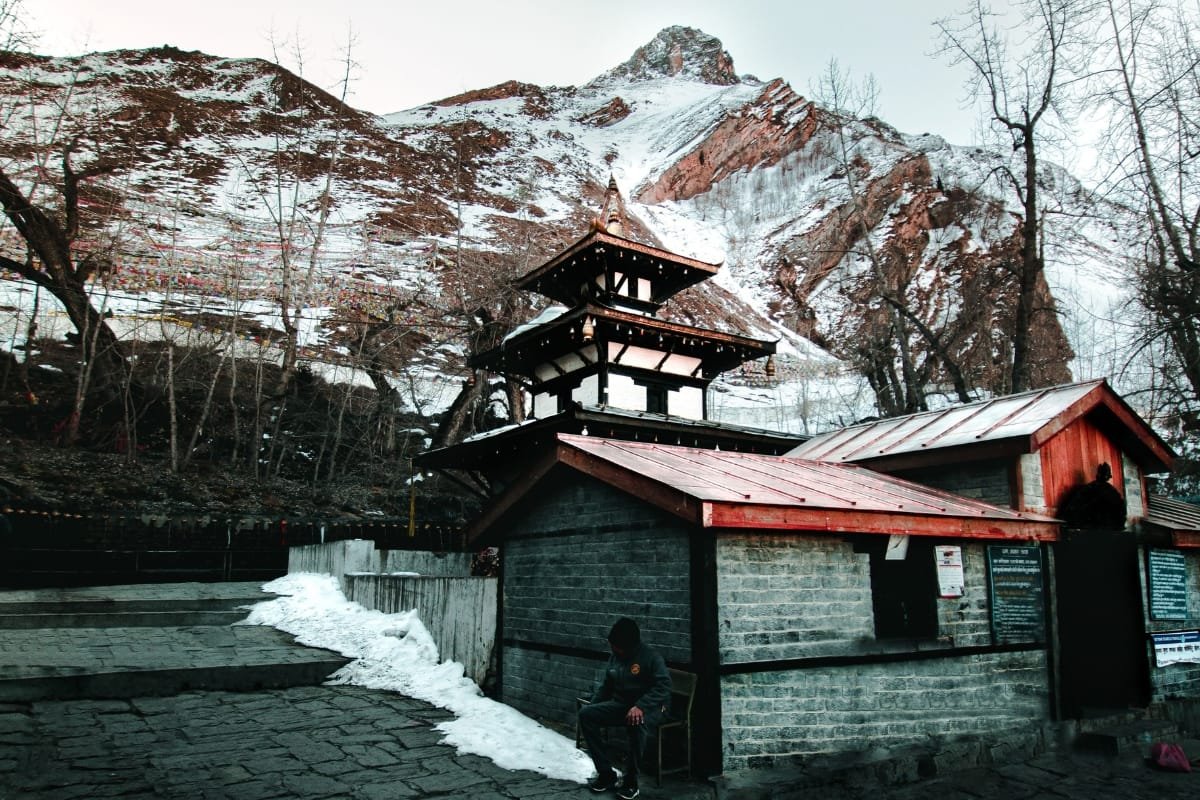
- Missing the Story: Without a local person to talk to, you might walk right past a hidden temple or a famous viewpoint without even knowing it was there. You see the mountains, but you might miss the culture.
The Guided Path: A Friend, Not Just a Leader
Some people think hiring a guide means “hand-holding” or losing your freedom. At FroxHolidays, we see it differently. A guide isn’t someone who just shows you the way; they are your cultural bridge.
The Raw Benefits:
- The Best Spots: Our guides know the trails like the back of their hands. They know which teahouse has the best food, which rooms stay the warmest at night, and where to find the best views that aren’t on the map.
- Peace of Mind: When you don’t have to worry about finding the path or checking your GPS every five minutes, you can actually enjoy the view. You can focus on the mountains because your guide is handling the logistics and watching your health.
- Real Connection: Our guides love sharing their home. They will tell you the stories of the peaks, explain the local traditions, and help you talk to the people you meet in the villages. You leave Nepal with a new friend, not just a photo.
The “Frox” Perspective: What’s Really Right for You?
We believe travel should be transformative, not just a checklist. We don’t want you to just “do” Nepal; we want you to feel it.
- Choose Solo (where legally permitted) IF: You are an expert navigator, you have extensive high-altitude experience, and you genuinely crave total, silent solitude to process life.
- Choose a Guide IF: You want to support the local economy directly, you value safety as much as adventure, and you want to leave Nepal feeling like you truly know the place—not just that you walked over it.
At the end of the day, the mountain doesn’t care if you have a guide or not. It remains indifferent to your struggle. But you will care. Having a local expert by your side doesn’t make the climb easier—it makes the experience richer. It turns a “trip” into a story you’ll tell for the rest of your life.