If you’ve been following the travel scene lately, you’ll notice that Nepal’s identity is undergoing a massive shift. For decades, we were the world’s favorite “mountain playground”—the place you went to disappear into the clouds and test your limits. But as we move through 2026, a new kind of traveler is filling our cities: the corporate delegate.
Nepal has quietly, but firmly, stepped into its own as a MICE (Meetings, Incentives, Conferences, and Exhibitions) destination. It’s no longer just about the altitude; it’s about a country that has finally bridged the gap between raw, natural inspiration and the high-tech reliability that global business demands.
The 2026 Urban Transformation
The real story of 2026 isn’t just about a few new buildings; it’s about a nationwide upgrade in how our cities function. We’ve moved past the stage where “global standard” was an experiment it’s now the baseline.
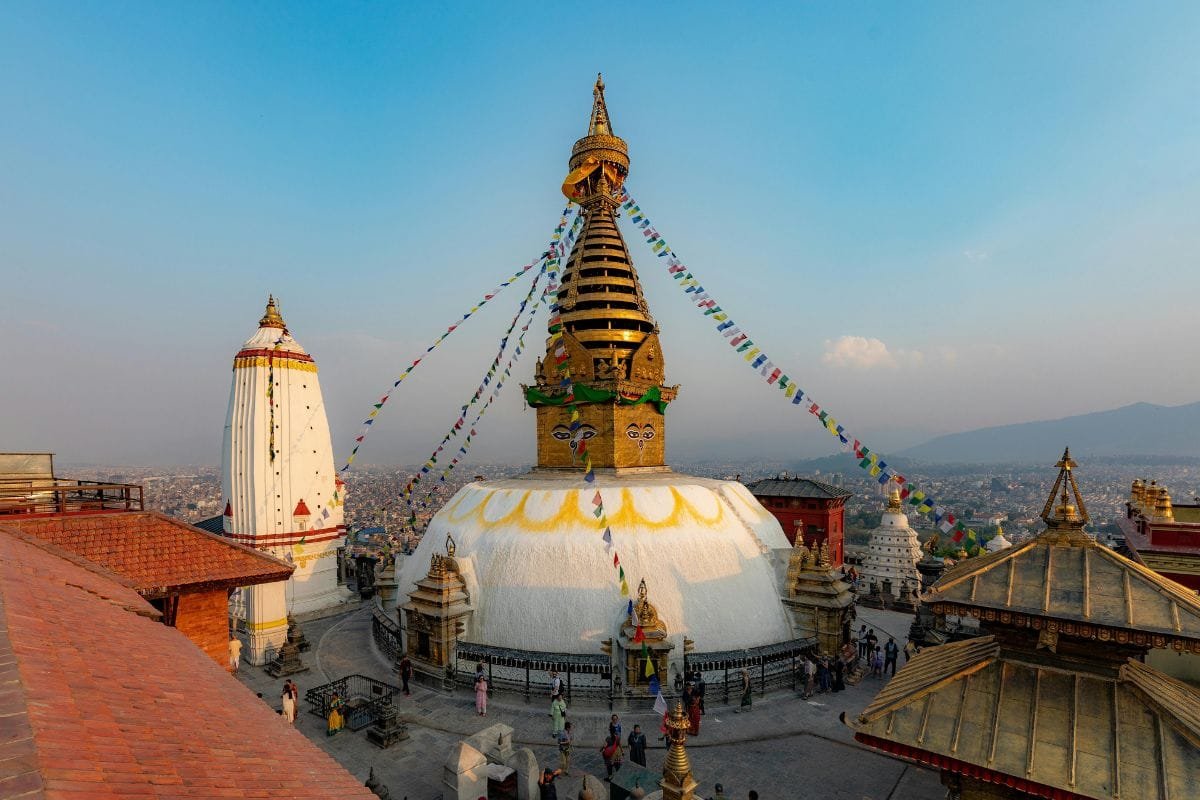
- Kathmandu: The New Regional Anchor The capital has evolved. While the heritage sites remain the soul of the city, the infrastructure surrounding them has become incredibly sophisticated. Kathmandu now hosts world-class convention facilities capable of handling thousands of people, supported by a network of modern lifestyle hubs that offer high-speed connectivity as a standard, not a luxury.
- Pokhara: The High-End Productivity Retreat Pokhara has become the premier choice for leadership off sites. It offers a rare “quiet” that you can’t find in Singapore or Dubai. Imagine finishing a strategy session and being on a paraglider over Phewa Lake twenty minutes later. That’s the 2026 version of a coffee break.
- Lumbini: The Mindful Business Frontier The plains of the south are seeing a surge in premium hospitality. This has opened up a whole new category of “wellness-led” corporate events. Companies are now bringing their teams to the spiritual heart of the country for deep work and reflection, backed by the 5-star comfort that international planners once thought was only available in the capital.
- Chitwan: Whether you are planning a jungle-based team-building event in Chitwan or a high-stakes board meeting in Kathmandu, the “safety net” is now nationwide. You are no longer choosing between “adventure” and “professionalism”—in Nepal 2026, you get both.
Why “Nature-First” Business is Winning
In 2026, corporate culture is starving for something real. A windowless ballroom in a crowded city feels like a chore. Nepal offers a different narrative.
Whether it’s an incentive trip that involves a private helicopter breakfast with a view of the peaks, or a team-building retreat in the jungles of the south, the “wow factor” here is built into the landscape. You aren’t just hosting a meeting; you’re giving your team a story they’ll still be telling in five years.
The Sustainability Edge
We’ve also seen a huge push toward regenerative travel. Most of the new premium venues across our cities are now leading the charge in solar energy, plastic-free operations, and local sourcing. In 2026, hosting an event in Nepal doesn’t just look good on a corporate social responsibility report—it actually feels good because you can see the impact on the local communities.
The rise of Nepal as a business hub is a natural evolution. We have the beds, we have the bandwidth, and we have the most breathtaking backdrop on the planet. If you’re looking for a place where big ideas can actually breathe, the Himalayas are calling.
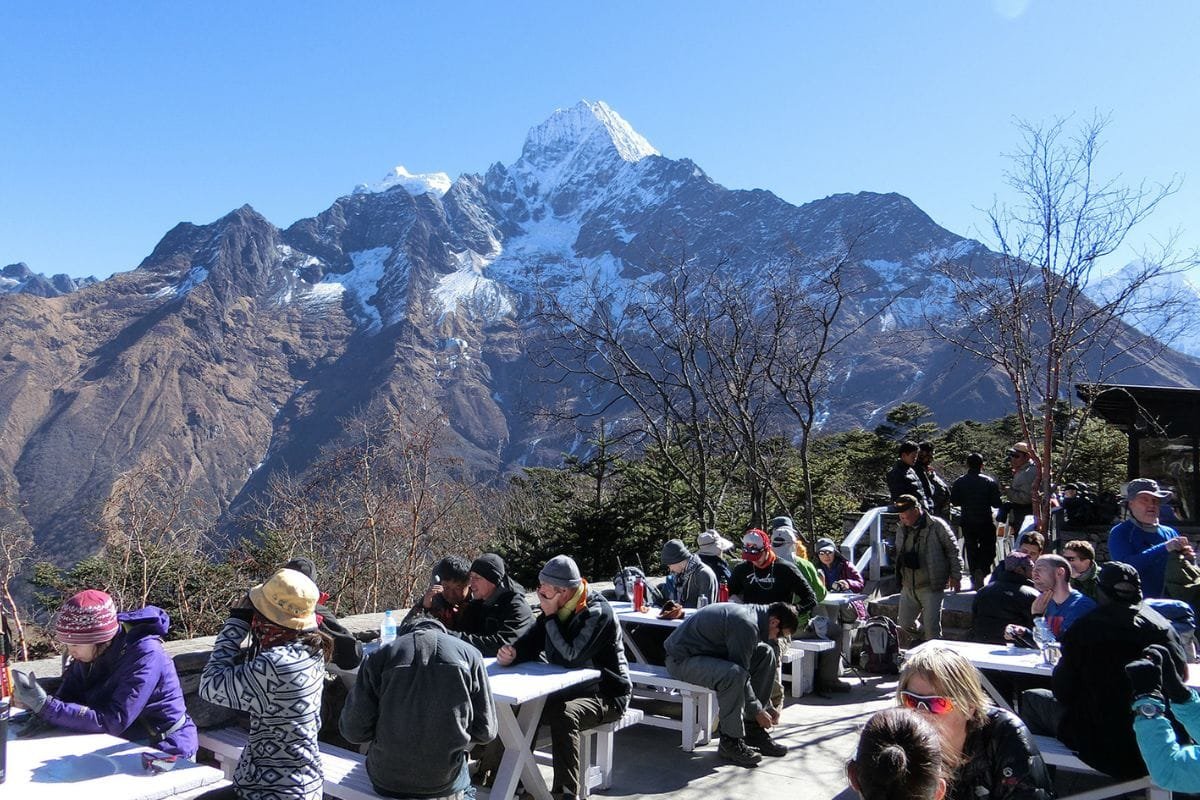
The air is crisp, the Wi-Fi is fast, and the background noise isn’t traffic—it’s the wind off the glaciers. If you’re planning for the latter half of 2026, the question isn’t “Why Nepal?” but “why anywhere else?”