Planning your first trip to Nepal is exciting. From the colorful streets of Kathmandu to the peaceful lakes of Pokhara and the towering peaks of the Himalayas, Nepal offers an incredible mix of adventure, culture, nature, and spirituality. But like any destination, your experience can be much smoother when you know what to expect.
Many first-time visitors make small mistakes that can affect their schedule, budget, comfort, or overall experience. The good news is that most of these mistakes are easy to avoid with a little planning.
Whether you are dreaming of trekking to the mountains, exploring ancient cities, experiencing a Nepal cultural tour, or simply enjoying a relaxing holiday, understanding these common Nepal travel mistakes can help you make the most of your journey.
Trying to See Too Much in Too Little Time
One of the most common mistakes first-time travelers make in Nepal is trying to fit too many destinations into one itinerary. Nepal may look small on the map, but traveling between destinations can take longer than expected because of mountain roads, traffic, weather conditions, and occasional delays.
For example, combining Kathmandu, Chitwan, Lumbini, Pokhara, and Mustang in just a few days can leave you spending more time on the road than actually enjoying each destination.
Instead, give yourself enough time to experience each place properly. If you have limited time, a well-planned Kathmandu and Pokhara tour can offer a wonderful combination of heritage, culture, mountain scenery, and relaxation without making your trip exhausting.
Underestimating Travel Time in Nepal
Google Maps might show a certain distance between two destinations, but driving time in Nepal does not always match what you might expect. Mountain roads can be winding, narrow, and affected by weather or road conditions.
A journey that looks short on the map can sometimes take several hours.
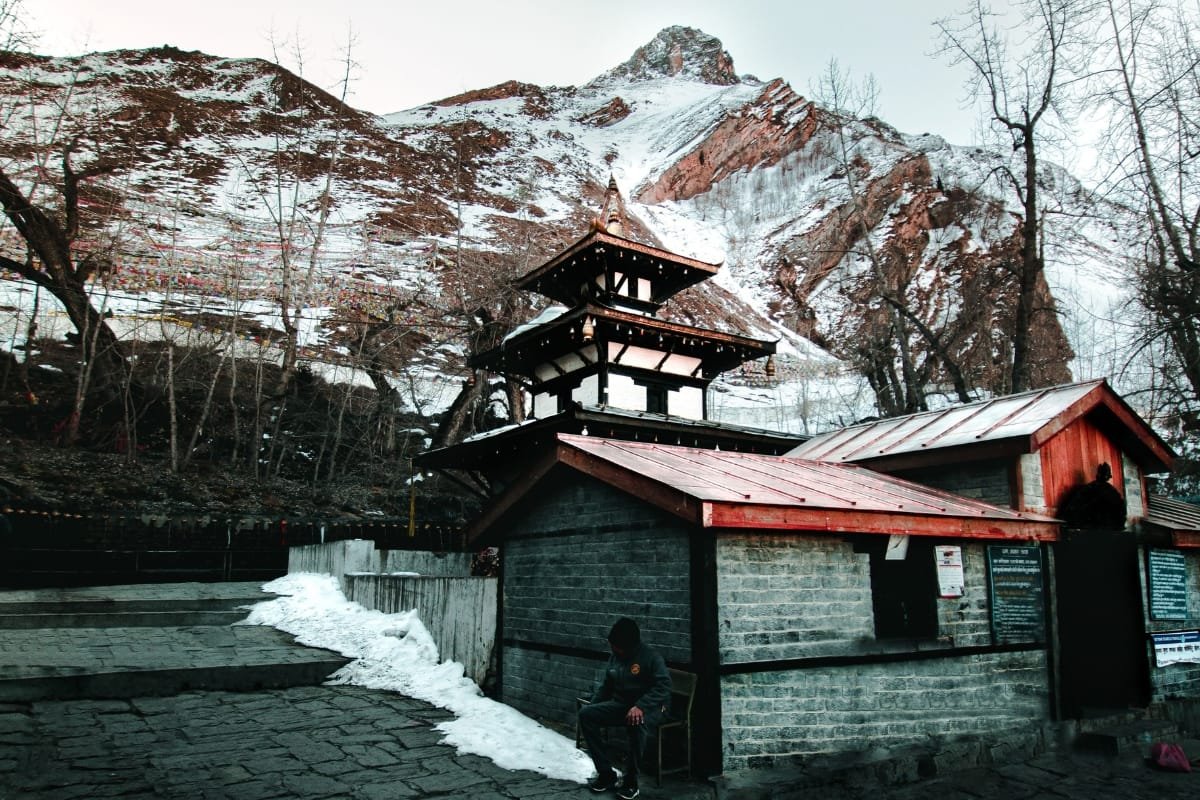
This is particularly important when planning road journeys to destinations such as Mustang, Muktinath, Dhampus, or other Himalayan regions. Always leave some flexibility in your itinerary rather than planning every hour of your holiday.
A little extra time can make your Nepal holiday itinerary much more comfortable.
Choosing the Wrong Season for Your Trip
Nepal can be visited throughout the year, but different seasons offer very different experiences. One of the biggest Nepal travel mistakes is booking a trip without considering the weather and what you actually want to do.
Autumn and spring are generally popular for trekking because of favorable conditions and mountain visibility. Winter can be excellent for lower-altitude sightseeing and cultural tours, although higher trekking routes may be cold. The monsoon months bring rain to many parts of the country, but some destinations, particularly parts of Mustang, remain attractive during this period.
Rather than simply asking, “What is the best time to visit Nepal?”, consider what you want to experience. Your ideal travel season depends on whether your priority is Nepal trekking, sightseeing, wildlife, pilgrimage, photography, or a combination of several experiences.
Packing Too Much
Nepal is not a destination where you need to bring your entire wardrobe. Overpacking can actually make your trip more difficult, especially if you are planning to trek.
For a regular sightseeing holiday, comfortable clothes, walking shoes, a light jacket, sunscreen, sunglasses, and basic personal items are usually enough. If you are heading into the mountains, your packing list should be based on the altitude, season, and duration of your trek.
Layering is especially useful because temperatures can change significantly between morning and evening and between different elevations.
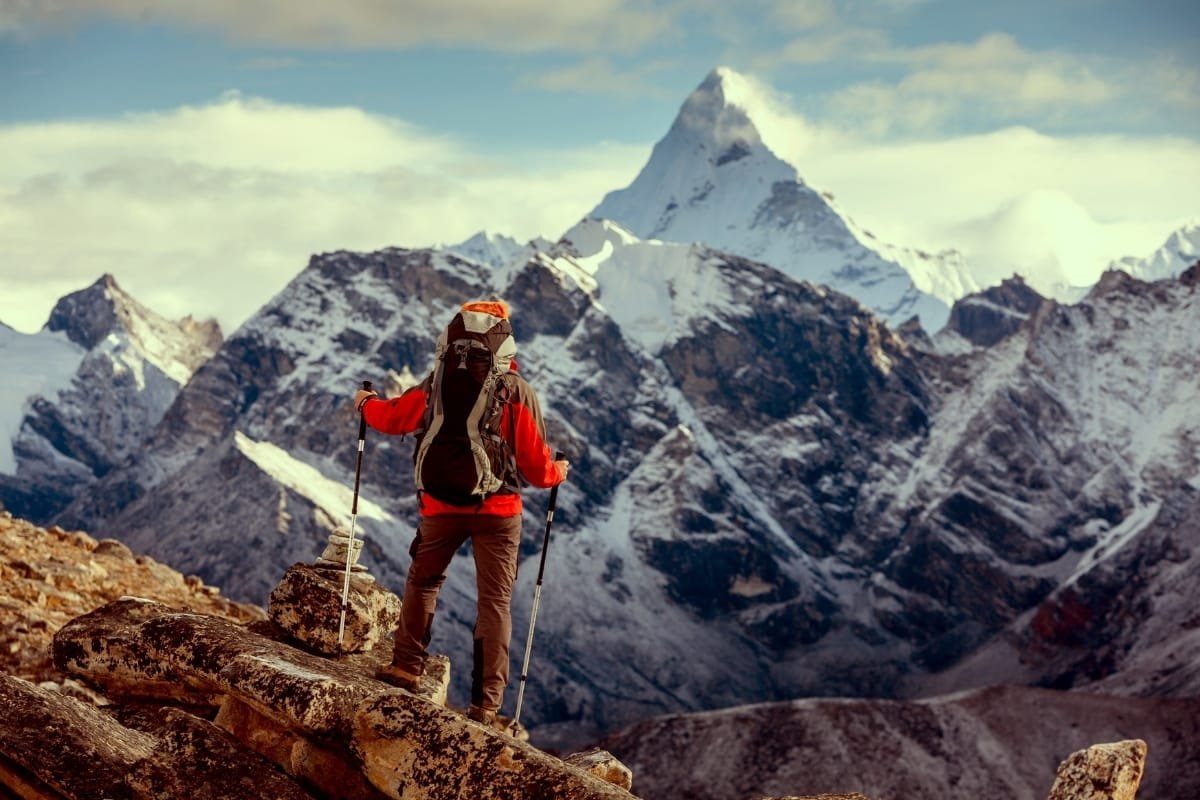
For trekkers, it is better to focus on practical essentials rather than carrying unnecessary items. Your backpack will feel much heavier after several hours of walking.
Not Preparing for Altitude
If you are traveling to destinations such as Everest Base Camp, Annapurna Base Camp, or other high-altitude areas, altitude should never be treated casually.
A common mistake is assuming that being physically fit automatically means you will not experience altitude-related problems. Altitude affects people differently, regardless of age or fitness level.
Proper acclimatization, a gradual ascent, staying hydrated, getting enough rest, and following the guidance of your trekking guide are important parts of a safe trekking experience.
If you are planning your first Himalayan adventure, consider reading more about Everest Base Camp Trek or Annapurna Base Camp Trek before deciding which route suits your travel style and experience.
Forgetting That Trekking Is Different From Sightseeing
Walking around Kathmandu or Pokhara for several hours is very different from trekking in the Himalayas.
Trekking involves continuous walking, elevation changes, uneven trails, and sometimes long days on your feet. First-time trekkers sometimes underestimate the physical demands of the journey.
You do not necessarily need to be an athlete, but preparing your body before the trek can make a significant difference. Regular walking, stair climbing, hiking, and basic cardiovascular exercise can help you become more comfortable on the trail.
Choosing the right trek is also important. Nepal offers everything from relatively short Poon Hill Trek experiences to challenging high-altitude adventures.
Not Leaving Room for Flexibility
Nepal travel does not always follow a perfectly predictable schedule. Flights can be delayed because of weather, roads can take longer than expected, and mountain conditions can change quickly.
This is why building some flexibility into your itinerary is one of the smartest things you can do.
If you have an international flight from Kathmandu after a trek, for example, avoid scheduling your return to the city at the last possible moment. Giving yourself some buffer time can save you from unnecessary stress if there is a delay.
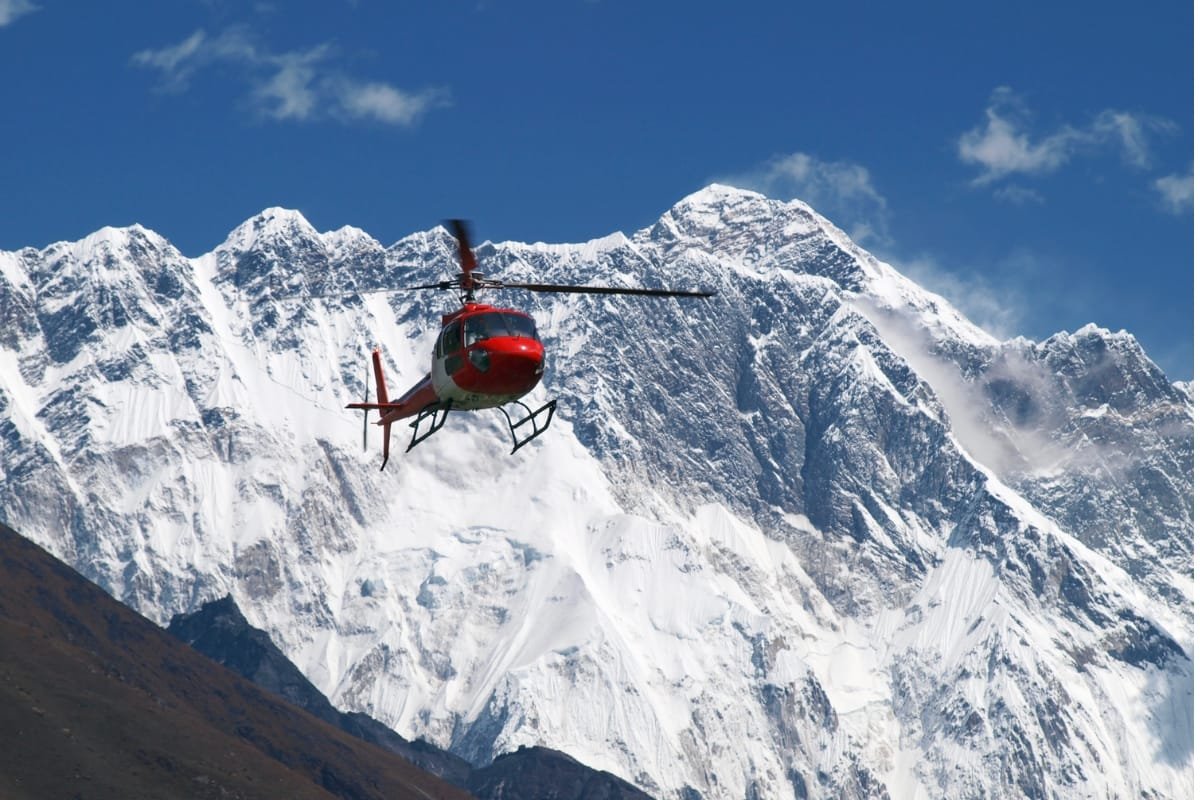
Flexibility is especially valuable when planning Nepal trekking packages or trips involving domestic flights.
Booking Everything Based Only on the Cheapest Price
Budget travel is absolutely possible in Nepal, but choosing the cheapest option for everything is not always the best way to save money.
A very cheap hotel might be far from the places you want to visit. A low-cost transportation option might take significantly longer. A trekking package with a very low price may not include important services that you assumed were covered.
Instead of looking only at the price, compare what is included. Check accommodation, transportation, meals, permits, guides, airport transfers, and other services.
A transparent Nepal tour package can often provide better value than arranging every part separately without understanding the local costs.
Not Carrying Some Cash
Cards and digital payments are increasingly common in Nepal, particularly in major tourist areas. However, cash is still useful, especially when traveling outside major cities.
Small shops, local restaurants, rural accommodations, transportation providers, and trekking routes may not always accept cards.
Keeping some Nepalese rupees with you can make your journey much easier. At the same time, avoid carrying unnecessarily large amounts of cash and keep your money safely stored.
Ignoring Local Customs and Culture
Nepal is a culturally diverse country with its own traditions and social etiquette. First-time visitors sometimes make mistakes simply because they are unfamiliar with local customs.
When visiting temples, monasteries, or religious sites, dress respectfully and follow local instructions. In some places, shoes should be removed before entering. Always ask before photographing people, particularly during religious ceremonies.
Learning a few simple Nepali words such as “Namaste” can also go a long way. You do not need to become fluent; showing genuine interest in the local culture is what matters.
Trying to Rush Through Kathmandu
Some travelers treat Kathmandu as nothing more than a place to arrive and depart before heading to the mountains. That is a missed opportunity.
Kathmandu is one of the best places to experience Nepal’s history, architecture, food, spirituality, and everyday life. From ancient courtyards and temples to lively markets and local neighborhoods, the city has plenty to discover.
Instead of using Kathmandu only as a transit point, consider spending a few days exploring the city before or after your main journey. A Kathmandu sightseeing tour can be a great introduction to Nepal for first-time visitors.
Missing Out on Pokhara
Pokhara is another destination that deserves more than a quick stop.
With Phewa Lake, mountain views, peaceful surroundings, cafés, adventure activities, and easy access to several trekking routes, Pokhara offers a completely different atmosphere from Kathmandu.
You can enjoy a relaxed boat ride, watch the sunrise over the Himalayas, explore the surrounding hills, or use the city as a starting point for a Himalayan trek.
If you prefer a combination of relaxation and adventure, adding Pokhara tour packages to your Nepal itinerary can be a great choice.
Not Considering Domestic Travel Options
Nepal’s domestic flights can save considerable time when traveling between major destinations, especially when your itinerary is limited.
However, road journeys can also be part of the experience. Traveling by road allows you to see changing landscapes, rural villages, rivers, hills, and local life along the way.
The best option depends on your itinerary, budget, time, and destination. If you are planning a longer holiday, combining road travel with domestic flights can sometimes create a more balanced experience.
Forgetting Travel Insurance
Travel insurance is one of those things you hope you never need but will be glad to have if something unexpected happens.
For a normal city holiday, your insurance should cover the basics of your trip. If you are trekking at high altitude, check your policy carefully and make sure it covers the activities and elevation involved.
This is particularly important for travelers planning longer Himalayan adventures.
Not Checking What Your Trek Package Includes
Before booking a trekking package, do not assume that every company includes the same services.
Check whether your package includes permits, accommodation, meals, transportation, guides, porters, airport transfers, and other necessary arrangements.
Ask questions before booking rather than discovering additional costs during your trip. A good trekking company should be able to clearly explain what is included and what is not.
This is also where working with a local Nepal tour operator can make your trip easier. Local operators understand the destinations, transportation, weather patterns, accommodations, trekking routes, and practical details that can be difficult to manage from abroad.
Expecting Luxury Everywhere
Nepal has plenty of comfortable hotels, resorts, and quality restaurants, particularly in Kathmandu and Pokhara. However, accommodation becomes simpler as you travel into remote mountain areas.
During a trek, you may stay in teahouses with basic facilities rather than expecting hotel-style luxury.
Understanding this before your trip helps you appreciate the experience rather than feeling disappointed. In the Himalayas, the incredible landscapes, local hospitality, and sense of adventure are often the real luxury.
Forgetting to Enjoy the Journey
Perhaps the biggest mistake you can make on your first Nepal trip is trying to make everything perfect.
Do not worry if your schedule changes slightly. Do not spend the entire journey checking the clock. Stop for a cup of tea in a mountain village. Talk to a local. Watch the sunset over the hills. Take a slow morning beside Phewa Lake.
Nepal is not just about reaching a destination. Some of the best memories come from the unexpected moments along the way.
Whether you are planning a short Nepal tour, a Himalayan trek, a spiritual journey to Muktinath, or a longer adventure through the country, leave some space to simply experience Nepal.
Final Thoughts: Plan Smart, But Travel With an Open Mind
Your first trip to Nepal does not need to be complicated. Most common Nepal travel mistakes can be avoided by choosing the right season, allowing enough travel time, packing sensibly, respecting local culture, preparing properly for altitude, and working with experienced local professionals when needed.
More importantly, choose an itinerary that matches your interests rather than trying to experience everything in one trip.
From the cultural richness of Kathmandu to the peaceful beauty of Pokhara and the dramatic landscapes of the Himalayas, Nepal has something for almost every type of traveler.
Plan well, travel responsibly, and leave room for a little adventure — Nepal will take care of the rest.
If you’re planning your first visit, explore Frox Holidays’ Nepal tour packages, trekking packages, and custom Nepal itineraries to find a journey that fits your time, interests, and travel style.