Nepal is a country where spirituality is woven into everyday life. Temples are not simply places people visit for prayer; they are part of the country’s history, traditions, festivals, architecture, and local communities. From the ancient courtyards of Kathmandu Valley to the high Himalayan landscapes of Mustang, religious sites can be found across the country, each carrying its own stories and traditions.
For travelers interested in culture and spirituality, a Nepal temple tour offers a different way to experience the country. Among the many sacred places in Nepal, Pashupatinath, Budhanilkantha, Manakamana, and Muktinath stand out for their religious importance and distinctive settings.
A journey connecting these destinations takes you through several sides of Nepal—from the cultural heart of Kathmandu to green middle hills and finally the dramatic landscapes of the Himalayas. Whether you are traveling for pilgrimage, cultural exploration, or simply want to understand Nepal beyond its trekking trails, these temples offer meaningful experiences along the way.
Why Is Nepal Famous for Temple Tourism?
Nepal has a long history of Hindu and Buddhist traditions, and many of its religious sites have been important pilgrimage destinations for centuries. Hindu and Buddhist practices often exist alongside one another, particularly in Kathmandu Valley and the Himalayan regions.
What makes temple tourism in Nepal particularly interesting is the relationship between religious sites and local life. You may see devotees making daily offerings, traditional festivals taking place in temple courtyards, bells ringing during prayer, or local communities gathering around sacred spaces.
For visitors, this provides an opportunity to experience Nepal’s culture from a more personal perspective rather than simply visiting conventional tourist attractions.
A Nepal pilgrimage tour can also be combined with sightseeing, mountain experiences, and cultural activities, making it suitable for travelers who want to explore different aspects of the country during one trip.
Pashupatinath Temple: One of Nepal’s Most Sacred Hindu Sites
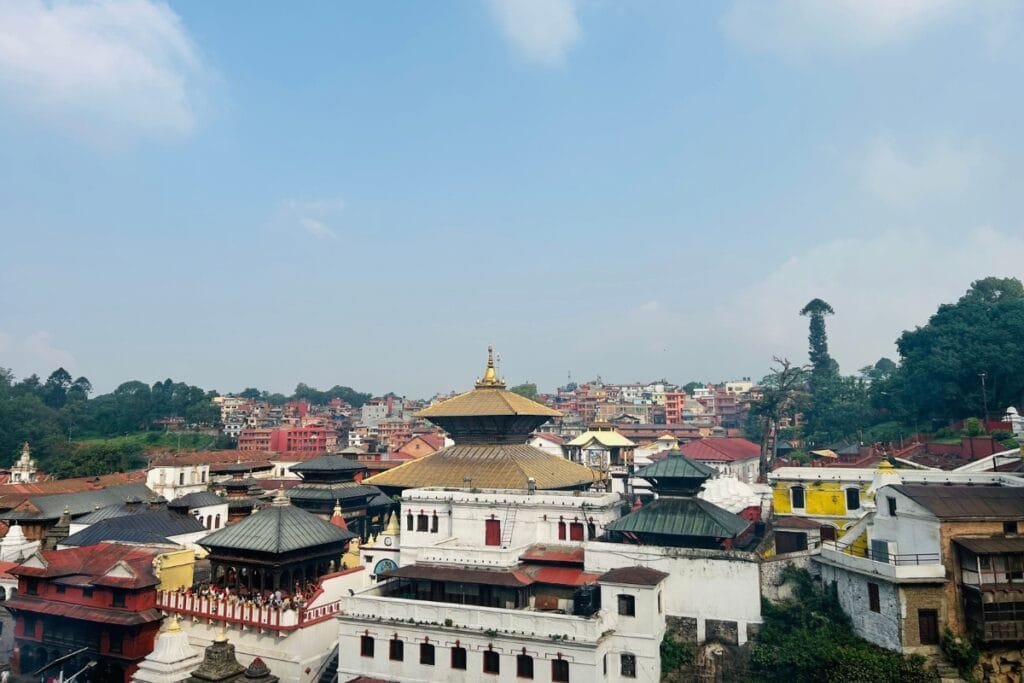
No Nepal temple tour is complete without visiting Pashupatinath Temple in Kathmandu.
Situated on the banks of the sacred Bagmati River, Pashupatinath is dedicated to Lord Shiva and is regarded as one of the most important Hindu pilgrimage sites in Nepal. The wider Pashupati area contains numerous temples, shrines, monuments, and religious spaces, making the entire complex an important part of Kathmandu’s cultural landscape.
The temple’s importance extends beyond Nepal, attracting Hindu pilgrims from different parts of South Asia and beyond. The Pashupatinath area was also included as part of the Kathmandu Valley UNESCO World Heritage property in 1979.
One of the most recognizable features of Pashupatinath is its traditional pagoda-style architecture. However, the experience is not only about the temple itself. The Bagmati River, surrounding shrines, sadhus, devotees, and daily religious rituals all contribute to the atmosphere.
For visitors, the evening Bagmati Aarati is another memorable experience. The devotional ceremony takes place beside the river and brings together music, lamps, chanting, and prayers.
When Is Pashupatinath Especially Busy?
Pashupatinath receives visitors throughout the year, but the temple becomes particularly crowded during major Hindu festivals.
Maha Shivaratri is one of the biggest occasions, attracting large numbers of devotees and pilgrims. Teej is another important festival when many Hindu women visit the temple to worship Lord Shiva and observe traditional rituals.
If you prefer a quieter experience, visiting outside major festival periods can make it easier to explore the surrounding area at a relaxed pace.
Things to Know Before Visiting Pashupatinath
The main Pashupatinath temple is open only to Hindus. Non-Hindu visitors can still experience the surrounding Pashupati area and view the main temple from designated areas.
Visitors should dress modestly and respect local religious practices. Photography restrictions also apply in certain parts of the complex, so it is best to follow signs and instructions from temple authorities.
If your trip focuses on Kathmandu’s spiritual and cultural heritage, you can naturally combine a Pashupatinath Temple Tour with other attractions in Kathmandu Valley.
Budhanilkantha Temple: The Reclining Vishnu of Kathmandu
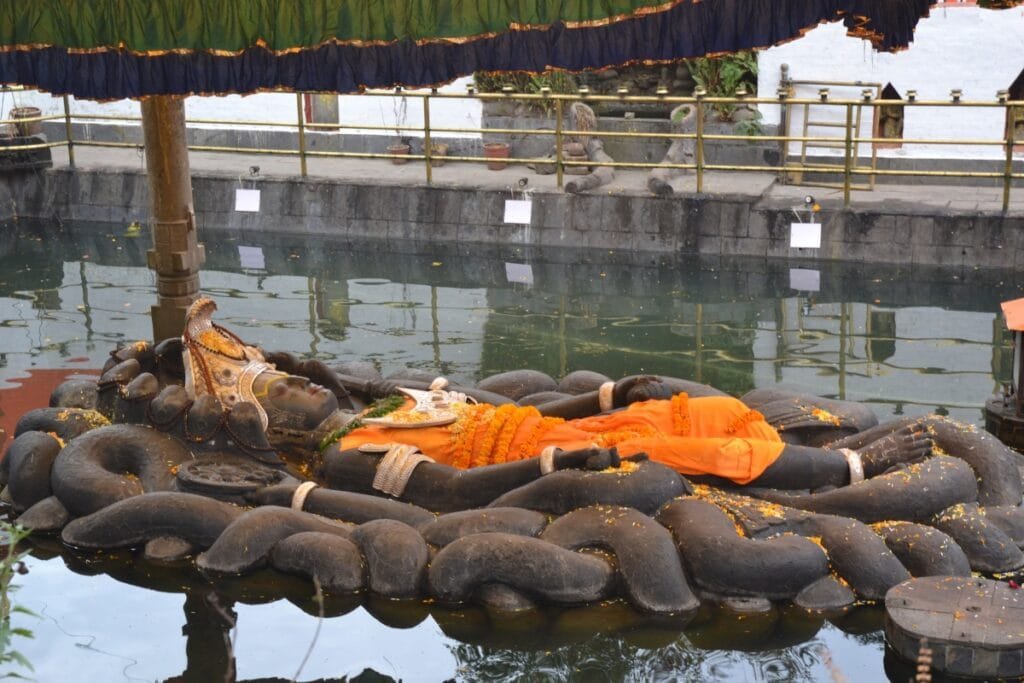
Located in the northern part of Kathmandu Valley, Budhanilkantha Temple offers a completely different experience from Pashupatinath.
The temple is famous for its large stone image of Lord Vishnu reclining on the coils of the serpent Shesha in a water-filled pond. The statue is one of the most distinctive religious sculptures in Kathmandu Valley.
The stone image is approximately five metres long and is believed to date back to the Lichchhavi period. Its unusual design and size make Budhanilkantha an interesting destination even for visitors who may not be familiar with Hindu traditions.
Unlike Pashupatinath, where a large temple complex and riverside setting dominate the experience, Budhanilkantha is centered around the impressive reclining Vishnu image.
The surrounding area is also noticeably calmer, making it a pleasant stop for travelers looking to explore a different side of Kathmandu.
Religious Significance of Budhanilkantha
Budhanilkantha is an important place of worship for devotees of Lord Vishnu. Religious festivals and special occasions bring additional activity to the temple, particularly during Haribodhini Ekadashi, an important festival associated with Vishnu.
The temple can easily be included in a broader Kathmandu cultural tour, particularly for travelers interested in the city’s religious heritage.
Manakamana Temple: A Sacred Shrine in the Hills
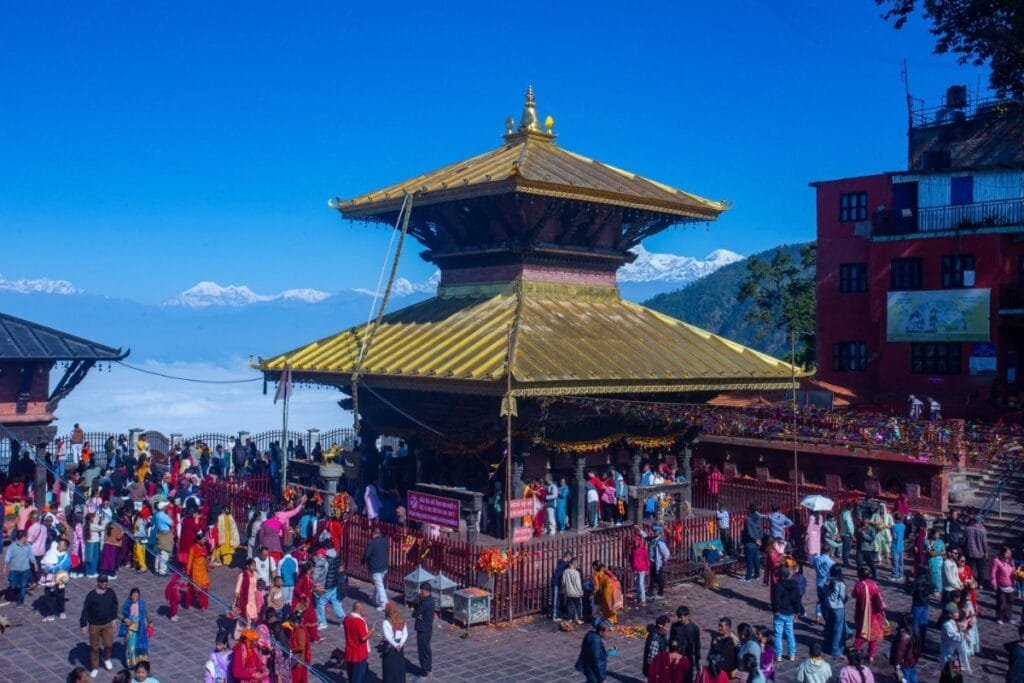
Leaving Kathmandu Valley behind, the journey to Manakamana Temple introduces visitors to Nepal’s beautiful middle-hill landscape.
Located in Gorkha District, Manakamana is dedicated to Bhagwati, a manifestation of the Hindu goddess Durga. The temple has long been an important pilgrimage destination, attracting devotees from Nepal and neighboring countries.
One of the most distinctive parts of visiting Manakamana is the journey to the temple itself.
The Manakamana Cable Car provides access to the hilltop shrine, turning the journey into an experience of its own. As the cable car rises above the forested hills, travelers can see valleys, villages, and surrounding landscapes below.
For many visitors, this combination of pilgrimage and mountain scenery is what makes Manakamana particularly memorable.
What Makes Manakamana Important?
Devotees visit Manakamana to worship the goddess and seek blessings. The name is commonly associated with the fulfillment of wishes, and many pilgrims travel to the temple with personal prayers and offerings.
But Manakamana is not only a religious destination. The surrounding area also provides a glimpse into rural Nepal and the traditional settlements of the country’s middle hills.
Because of its location between Kathmandu and Pokhara, Manakamana Temple can also be conveniently incorporated into a wider Nepal tour.
Muktinath Temple: Spirituality in the Himalayas
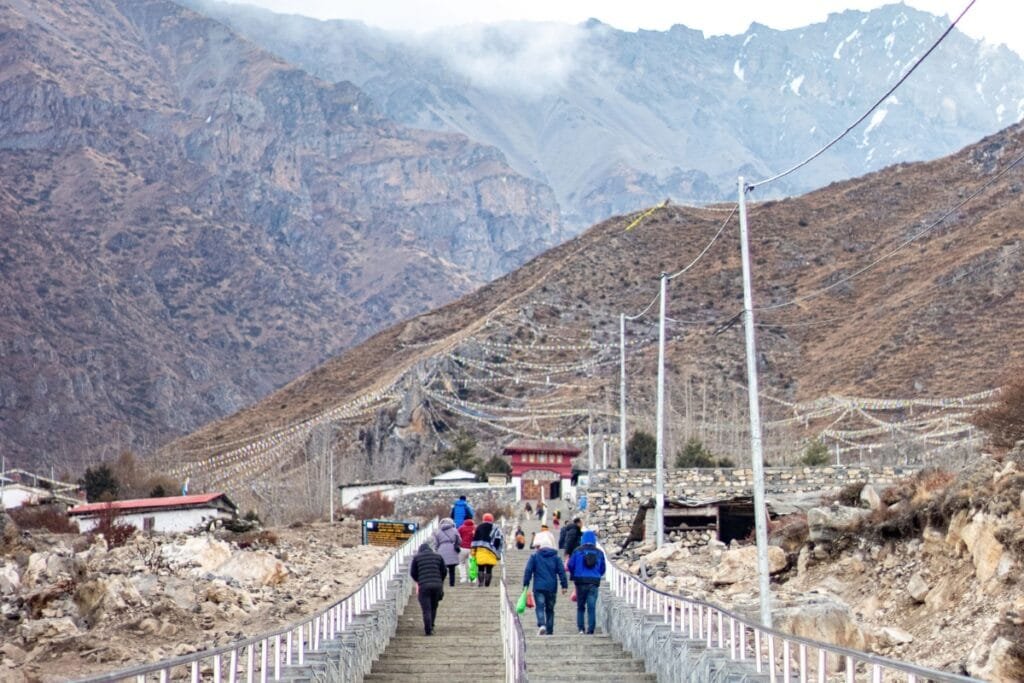
Among Nepal’s pilgrimage destinations, Muktinath offers perhaps the most dramatic setting.
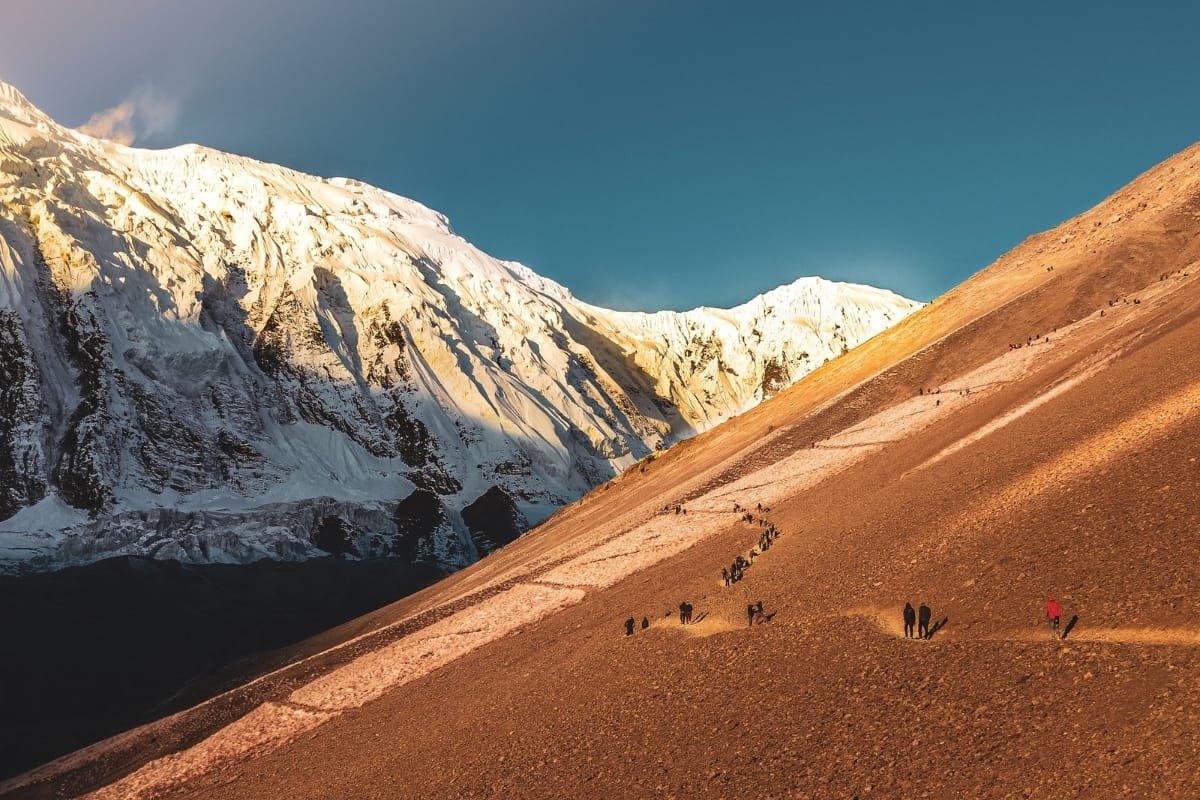
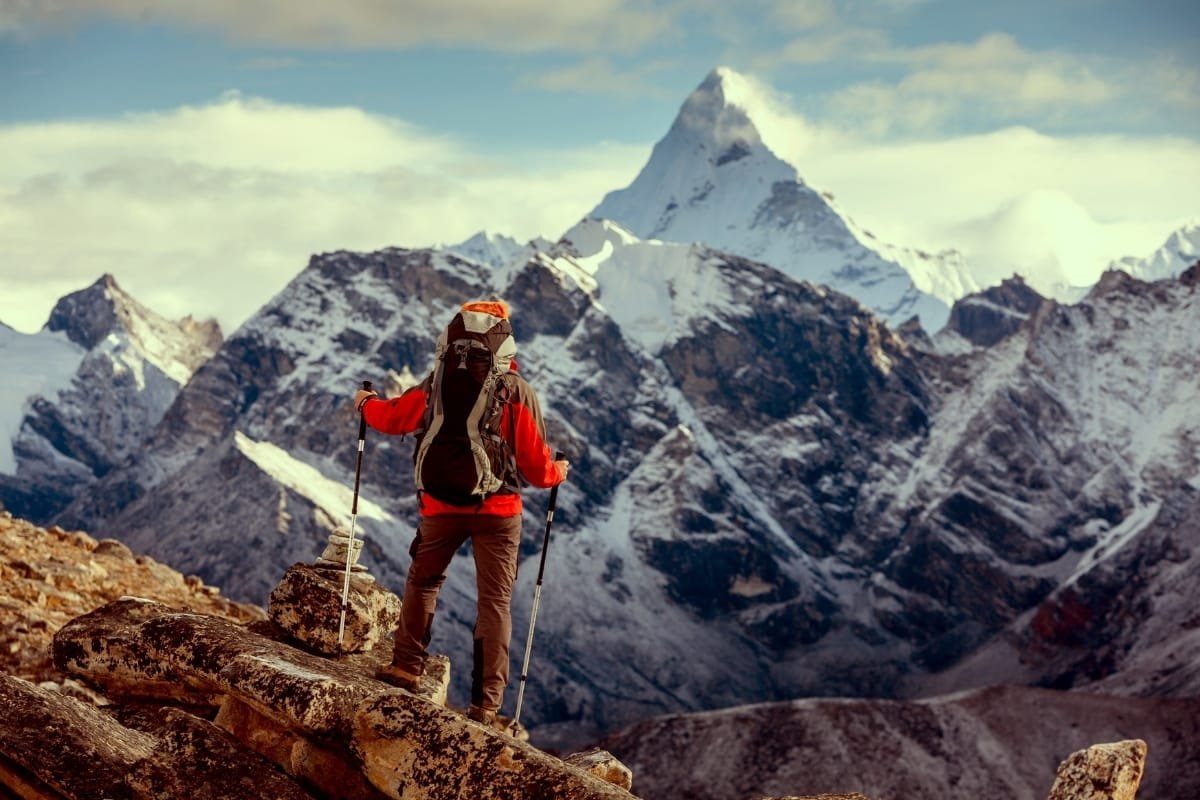
Located in Mustang at an elevation of approximately 3,800 meters, Muktinath is a sacred pilgrimage site for both Hindus and Buddhists. The temple lies within the rugged landscape of the Himalayas, surrounded by barren mountains, deep valleys, and the distinctive terrain of the Kali Gandaki region.
For Hindus, Muktinath is associated with Lord Vishnu and spiritual liberation. Buddhists also consider the area sacred, making it an important example of the religious traditions that coexist in Nepal.
This shared heritage is one of the reasons a Muktinath pilgrimage tour attracts both domestic and international travelers.
The 108 Water Spouts at Muktinath
One of the most famous features of Muktinath is the series of 108 sacred water spouts located near the temple.
Pilgrims traditionally bathe beneath the water spouts as part of their religious journey. The water is extremely cold, particularly because of Muktinath’s high-altitude environment, but devotees consider the ritual spiritually significant.
Nearby is Jwala Mai Temple, another important religious site known for its naturally occurring flame. The area demonstrates the unique combination of Hindu and Buddhist traditions found throughout the Mustang region.
Why Is Muktinath Different From Other Temple Destinations?
The biggest difference is the landscape.
Visiting Pashupatinath means experiencing an ancient religious center within a busy capital city. Manakamana takes you into Nepal’s green hills. Muktinath, by contrast, places you in a high-altitude Himalayan environment.
The journey itself becomes part of the pilgrimage.
Travelers pass through the Kali Gandaki Valley, traditional mountain settlements, and landscapes that gradually become drier and more dramatic. The experience can therefore combine spirituality with a genuine Himalayan adventure.
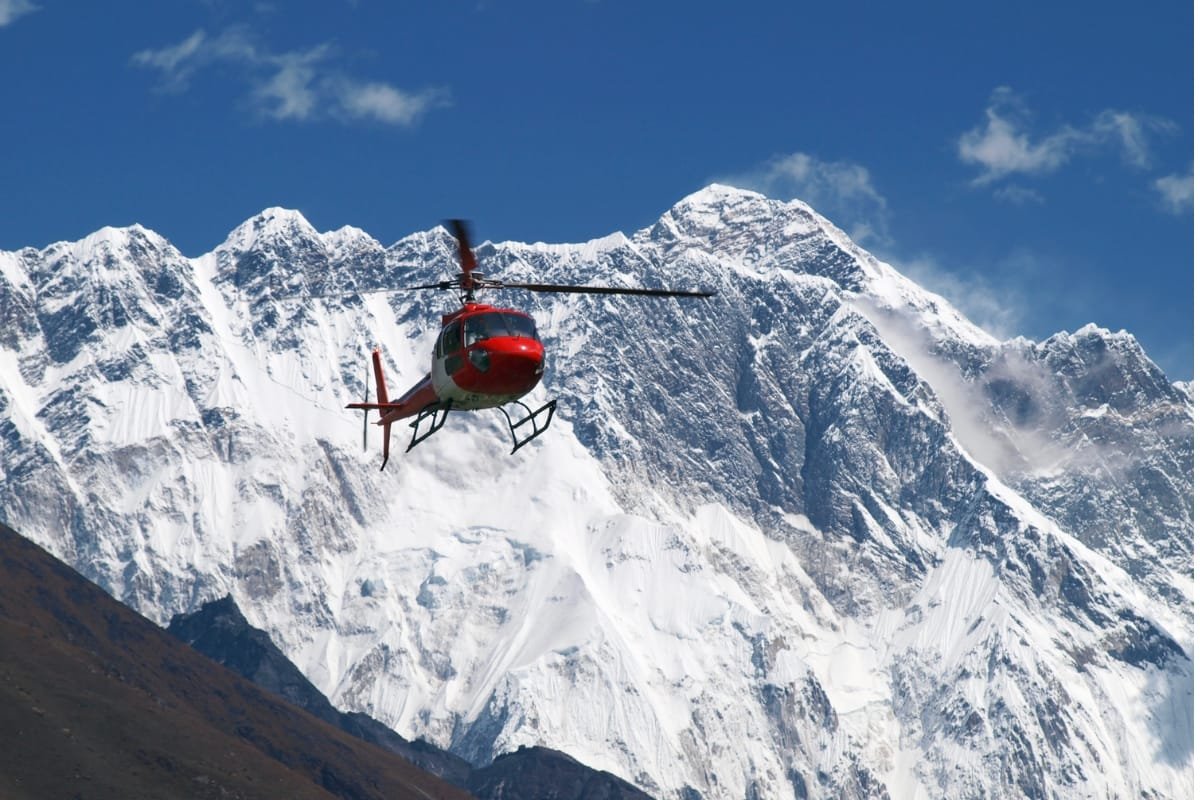
Because Muktinath is located at high altitude, travelers should consider weather, transportation conditions, and acclimatization when planning their visit.
Pashupatinath, Budhanilkantha, Manakamana and Muktinath: What Makes Each Different?
Although all four destinations are connected through religion and pilgrimage, each offers a distinctly different experience.
Pashupatinath represents the deep spiritual and cultural heritage of Kathmandu and is one of the country’s most important Shiva temples.
Budhanilkantha is known for its extraordinary reclining statue of Lord Vishnu and offers a quieter religious experience within Kathmandu Valley.
Manakamana combines pilgrimage with Nepal’s beautiful middle-hill scenery, with the cable car journey forming an important part of the experience.
Muktinath brings together Hindu and Buddhist traditions in a spectacular high-altitude Himalayan setting.
Together, they demonstrate the remarkable diversity of religious places in Nepal.
Best Time for a Nepal Temple Tour
Nepal’s temples can generally be visited throughout the year, but the best time depends on which destinations you plan to include.
For Kathmandu and Manakamana, the spring and autumn seasons are generally comfortable for travel, with pleasant conditions for sightseeing and road journeys.
If Muktinath is part of your Nepal pilgrimage tour, weather and road conditions become more important. The Mustang region has a different climate from Kathmandu and the lower parts of Nepal, and winter can bring particularly cold conditions.
Autumn, from around September to November, and spring, from March to May, are popular periods for traveling around Nepal. However, travelers interested in particular religious festivals may choose their dates based on the Hindu calendar.
Festival periods can provide a fascinating cultural experience, although major pilgrimage sites can become considerably busier.
What Should You Wear When Visiting Temples in Nepal?
Respectful clothing is recommended when visiting religious places in Nepal.
Visitors should generally avoid very revealing clothing and choose outfits that cover the shoulders and knees. Comfortable clothing is particularly useful because temple visits often involve walking, stairs, and uneven surfaces.
Shoes may need to be removed before entering certain religious areas, so wearing footwear that is easy to take off and put back on can be convenient.
If Muktinath is included in your trip, clothing requirements become more practical as well as cultural. Warm layers, a good jacket, gloves, and comfortable footwear are useful because temperatures can be low at the high-altitude temple.
Temple Etiquette in Nepal: Things Travelers Should Know
A little cultural awareness can make your temple experience more respectful and enjoyable.
Always follow signs and instructions regarding where visitors can enter. Some temples have areas that are restricted to devotees or members of a particular faith.
Remove your shoes when required, and avoid touching religious objects unless you are invited to do so.
Photography rules differ from one temple to another. Some areas may allow photography while others prohibit it completely, so always check before taking photographs.
It is also important to remember that temples are active places of worship, not simply tourist attractions. Avoid interrupting ceremonies or getting too close to people who are praying.
When visiting during festivals, expect larger crowds and allow extra time for transportation and temple visits.
Beyond the Temples: Experiencing Nepal’s Spiritual Side
One of the best things about a Nepal temple tour is that the experience does not end at the temple gate.
Kathmandu’s religious heritage can be seen throughout the city, from small neighborhood shrines to ancient courtyards and traditional festivals. In the hills around Manakamana, religious traditions are closely connected with village life. In Mustang, Hindu and Buddhist practices exist alongside centuries-old mountain culture.
This makes a pilgrimage journey a valuable cultural experience even for travelers who are not visiting Nepal for religious reasons.
You get to see how faith, architecture, landscape, and community are connected in everyday Nepal.
Why Choose a Local Operator for a Nepal Pilgrimage Tour?
Planning a pilgrimage trip across Nepal can involve more than simply choosing which temples to visit. Transportation, accommodation, local conditions, temple schedules, festival crowds, and high-altitude travel can all affect the experience.
Working with a local Nepal travel company can make the planning process easier, particularly when your trip includes destinations such as Muktinath or multiple locations outside Kathmandu.
A local operator can help coordinate transportation, hotels, local assistance, and other practical details while allowing travelers to concentrate on their pilgrimage and cultural experience.
For travelers looking for a customized Nepal pilgrimage tour, Frox Holidays can help arrange journeys around destinations such as Pashupatinath, Manakamana, and Muktinath according to your travel dates and preferences.
Frequently Asked Questions About Nepal Temple Tours
What are the most important temples to visit in Nepal?
Pashupatinath, Budhanilkantha, Manakamana, and Muktinath are among the well-known pilgrimage destinations in Nepal. Each has a different religious and cultural significance.
Can non-Hindus visit Pashupatinath Temple?
Non-Hindu visitors cannot enter the main Pashupatinath temple, but they can explore the surrounding area and view the main temple from designated locations.
Is Muktinath only for Hindus?
No. Muktinath is a sacred destination for both Hindus and Buddhists, making it an important shared pilgrimage site in Nepal.
How high is Muktinath Temple?
Muktinath is located at approximately 3,800 meters above sea level in the Mustang region of Nepal.
What is special about Manakamana Temple?
Manakamana is a major Hindu pilgrimage destination dedicated to Bhagwati and is particularly famous for its hilltop location and cable car journey.
What is Budhanilkantha famous for?
Budhanilkantha is famous for its large reclining stone image of Lord Vishnu, which rests on the coils of the serpent Shesha in a water-filled pond.
Can I combine temple visits with a Nepal sightseeing tour?
Yes. Temple visits can be combined with destinations such as Kathmandu, Pokhara, Chitwan, and Mustang, depending on the length and style of your trip.
Final Thoughts: Discover Nepal Through Its Sacred Places
Nepal’s temples offer travelers a chance to see the country from a perspective that goes beyond mountains and adventure.
At Pashupatinath, you experience one of Kathmandu’s most important spiritual centers. At Budhanilkantha, an extraordinary ancient sculpture tells a story through stone. At Manakamana, the journey through the green hills becomes part of the pilgrimage. And at Muktinath, religion meets the dramatic landscape of the Himalayas.
Together, these destinations show why Nepal has long been an important destination for spiritual and cultural travel.
Whether you are planning a dedicated Nepal pilgrimage tour or simply want to include a few sacred destinations in your Nepal holiday, exploring these temples can add a deeper cultural dimension to your journey.
With the right planning, your visit can become more than sightseeing—it can be an opportunity to experience Nepal’s traditions, landscapes, and living culture at your own pace.