If Nepal is on your travel list for 2026, there is good news: the country continues to welcome travelers, and many of its most popular tourism and trekking destinations are operating.
September also marks an exciting transition in Nepal. The monsoon season is gradually coming to an end, greenery is at its best, and the country is preparing for the busy autumn travel season. For trekkers, October and November are just around the corner, bringing the clear Himalayan views that Nepal is famous for.
However, travelers planning a trip right now should pay attention to route-specific travel conditions. Recent weather-related disruption has affected parts of northern Nepal, particularly the Rasuwa and Bhote Koshi–Trishuli corridor. This has led to temporary closures and changes to access for some trekking areas.
That does not mean that Nepal as a whole is unsafe or closed.
In fact, current tourism-industry updates indicate that Kathmandu, Pokhara and the Annapurna region, Everest and Khumbu, Lumbini and other major destinations are continuing to operate.
The best approach for travelers in 2026 is simple: choose your destination carefully, check the latest route conditions, and keep some flexibility in your itinerary.
Is Nepal Safe to Visit in 2026?
One of the biggest questions travelers are asking is: “Is Nepal safe to visit right now?”
The answer depends on where you are going.
Nepal is a country with dramatically different landscapes and weather conditions. A temporary disruption in one mountain corridor does not automatically affect Kathmandu, Pokhara, Everest, Annapurna or the rest of the country.
Current tourism updates report that major tourist destinations including Kathmandu Valley, Pokhara and Annapurna, Everest and Khumbu, Lumbini and the Terai are operating normally.
At the same time, travelers should avoid treating the affected northern corridor as business as usual. The Langtang, Rasuwa and Bhote Koshi corridor is currently closed while response and recovery work continues.
So rather than asking whether all of Nepal is safe or unsafe, it is much more useful to ask:
“Is my specific destination and travel route currently accessible?”
That is the approach we recommend to every traveler planning Nepal in 2026.
What Is Open for Travelers in Nepal?
The good news is that many of Nepal’s classic travel experiences remain available.
Kathmandu
Kathmandu remains the country’s main tourism gateway and an excellent place to begin your Nepal adventure.
The Kathmandu Valley offers ancient temples, historic squares, traditional neighborhoods, local markets, cafés and a fascinating combination of old and new Nepal.
Whether you are beginning a trek or simply exploring Nepal’s cultural heritage, Kathmandu remains an important part of the journey.
Pokhara and Annapurna
Pokhara and the Annapurna region remain among the strongest options for travelers planning a Nepal trip in 2026.
Pokhara offers a completely different atmosphere from Kathmandu, with Phewa Lake, mountain views, sunrise viewpoints, caves, waterfalls and a wide range of adventure activities.
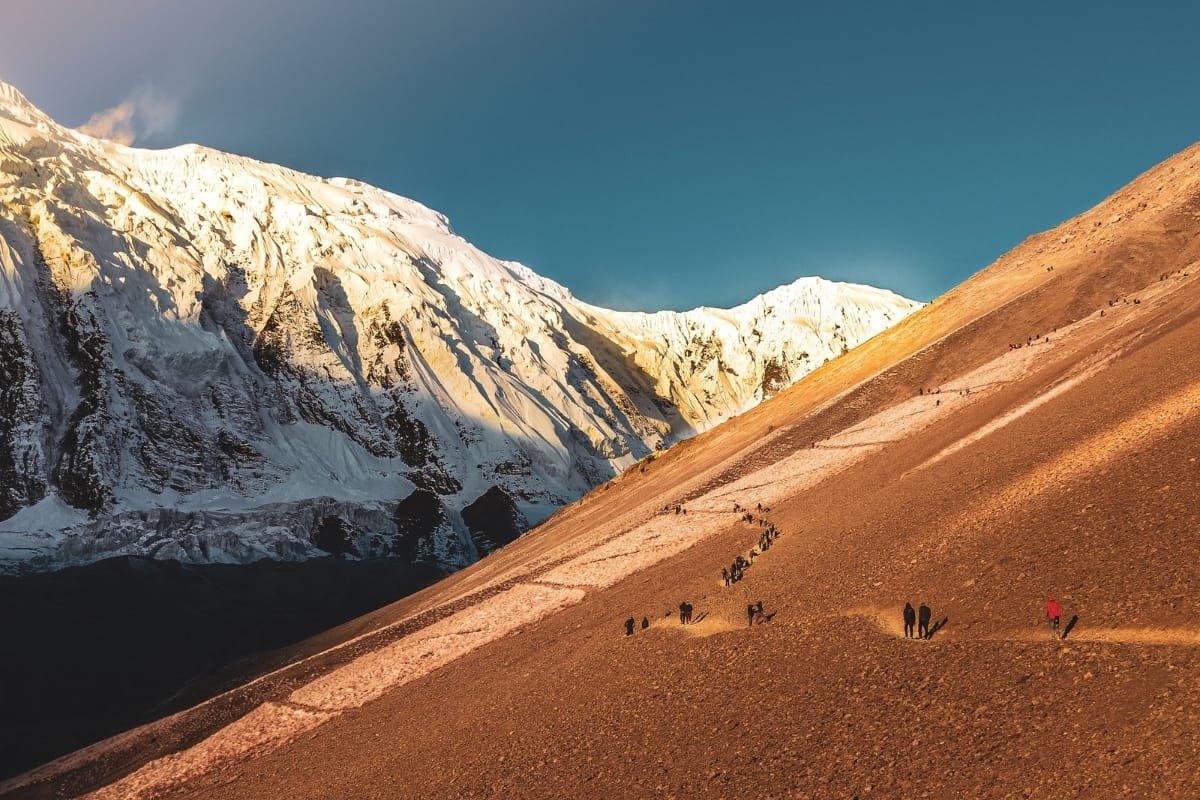
It is also the gateway to some of Nepal’s most popular trekking routes, including Annapurna Base Camp, Ghorepani Poon Hill, Mardi Himal and sections of the Annapurna Circuit.
Current tourism-industry reporting lists the Annapurna region and Pokhara among the areas operating normally.
Everest and Khumbu
For many travelers, Nepal means Everest.
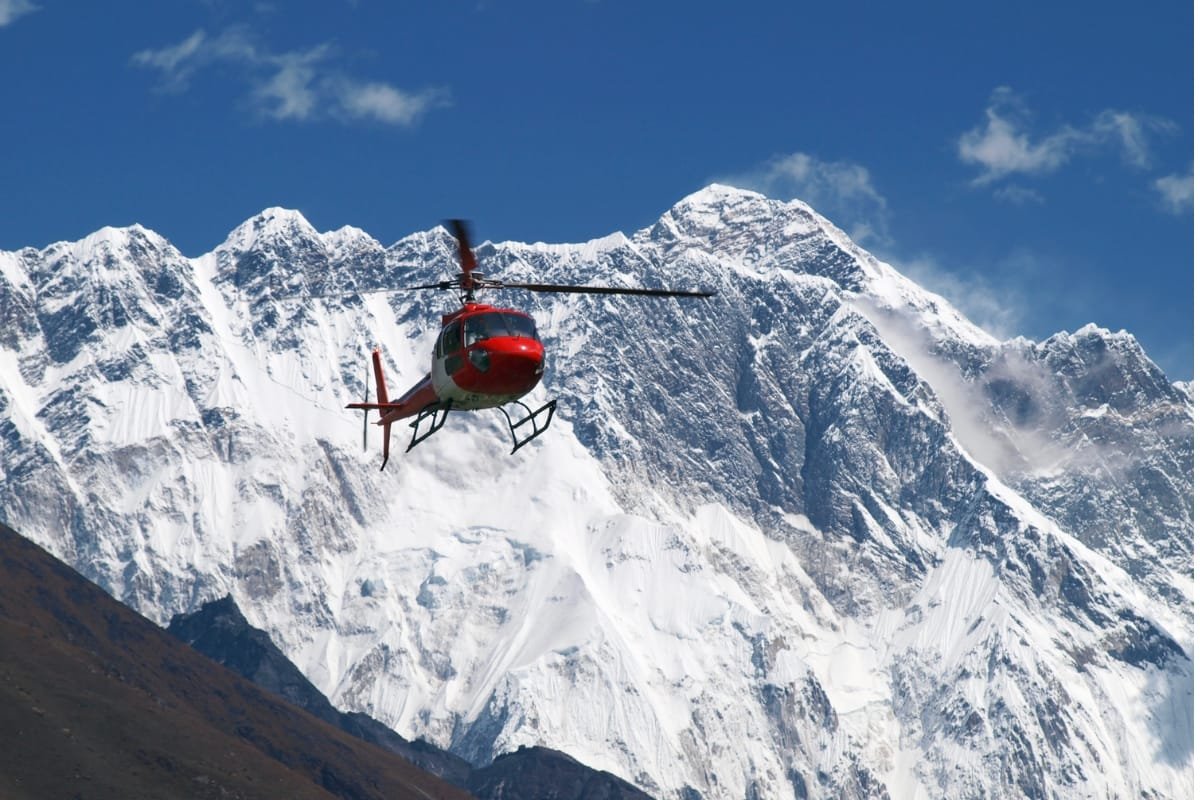
The Everest and Khumbu region remains open for the upcoming trekking season, and current operational updates list the region, including Lukla flights, among the areas operating normally.
The Everest Base Camp Trek remains one of the best choices for travelers who want a classic Himalayan adventure in 2026.
Of course, mountain weather can always affect Lukla flights, so trekkers should leave some flexibility in their itinerary.
Lumbini
Travelers interested in culture and spirituality can also visit Lumbini, the birthplace of Gautama Buddha.
The peaceful monasteries, gardens and international Buddhist architecture make Lumbini a very different experience from the Himalayan trekking regions.
Current travel updates list Lumbini and the Terai among the areas operating normally.
Nepal Trekking Update 2026: Which Treks Can You Do?
This is where travelers need to pay a little more attention.
Not every trekking route has been affected in the same way.
Some routes are operating, some require updated access information, and some northern routes are currently closed.
Here’s a practical overview for travelers.
| Trek / Region | Current situation |
|---|---|
| Everest Base Camp | Open / operating |
| Annapurna Base Camp | Open, with normal route checks |
| Mardi Himal | Potential option; check current trail/access conditions |
| Ghorepani–Poon Hill | Potential option; check current access |
| Upper Mustang | Good seasonal option |
| Annapurna Circuit | Operating, subject to local road/weather checks |
| Langtang Valley | Currently affected/closed access corridor |
| Gosaikunda | Access affected/requires current confirmation |
| Tamang Heritage Trail | Currently affected |
| Helambu Circuit | Currently closed |
| Ruby Valley | Currently closed |
| Manaslu Circuit | Route-specific confirmation recommended |
| Rasuwagadhi–Kerung overland route | Currently closed |
The important thing is that “closed” does not necessarily mean the entire destination is permanently unsafe. In several cases, the issue is access to the trekking area rather than the mountain destination itself.
For example, current reporting identifies the Langtang–Rasuwa–Bhote Koshi corridor as closed, with the Galchhi–Syabrubesi road also closed.
Treks You Can Consider in Nepal Right Now
Everest Base Camp Trek
If you have always dreamed of trekking beneath the world’s highest mountain, the Everest Base Camp Trek remains one of the strongest options for the 2026 autumn season.
The route takes you through Sherpa villages, Buddhist monasteries and dramatic Himalayan landscapes before reaching Everest Base Camp.
Current travel updates list the Everest and Khumbu region as operating normally.
September can still bring variable weather, particularly early in the month, so travelers should keep their itinerary flexible. As autumn progresses, trekking conditions generally become more favorable.
Best for: First-time Himalayan trekkers, adventure travelers and Everest enthusiasts.
Annapurna Base Camp Trek
The Annapurna Base Camp Trek remains another excellent option for 2026.
The journey combines lush forests, traditional villages, waterfalls and spectacular Himalayan scenery. The close-up mountain views at the sanctuary are a major highlight.
The Annapurna region and Pokhara are currently listed among Nepal’s operating tourism areas.
As with any mountain destination, local weather and road conditions should still be checked before departure.
Best for: Travelers wanting a classic Himalayan trek with diverse scenery.
Mardi Himal Trek
Looking for something shorter?
The Mardi Himal Trek is a popular choice for travelers who want impressive Himalayan scenery without committing to a long expedition.
The route passes through forests and mountain villages before reaching high viewpoints with spectacular views toward the Annapurna range.
There is currently no reason to treat the entire Mardi Himal route as closed, but travelers should obtain a current route assessment because September conditions can still affect trails and approach roads.
Best for: Short trekking holidays and first-time trekkers.
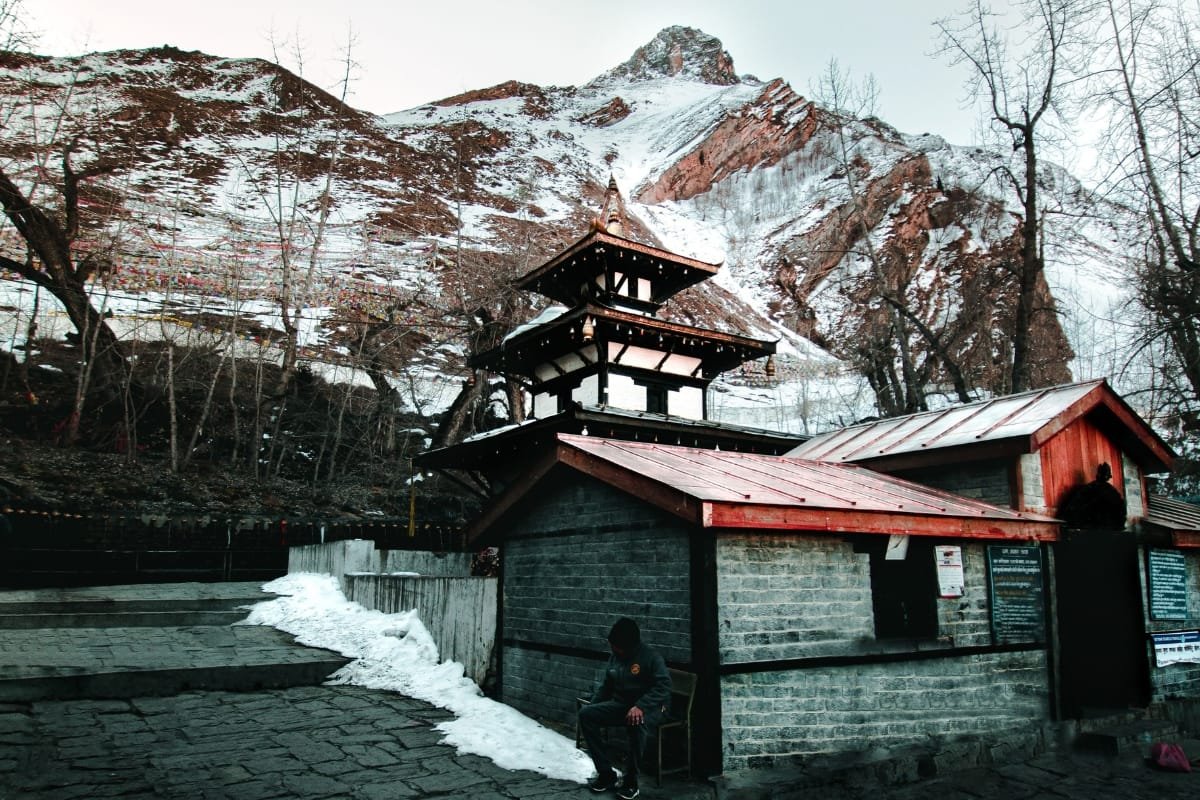
Upper Mustang Trek
If you’re searching for a destination that offers a very different Himalayan landscape, Upper Mustang deserves serious consideration.
Its dry, desert-like landscapes, ancient settlements, Tibetan-influenced culture and dramatic cliffs make it unlike almost anywhere else in Nepal.
Mustang is also located in the Himalayan rain-shadow, making it an attractive destination around the monsoon transition.
Best for: Culture lovers, photographers and travelers looking for a unique Himalayan experience.
What About Langtang, Gosaikunda and Other Affected Treks?
This is where travelers should pay particular attention to the latest updates.
The graphic you shared lists Langtang Valley, Gosaikunda, Tamang Heritage Trail, Helambu Circuit, Ruby Valley and the Rasuwagadhi–Kerung overland route as currently closed.
For a travel blog, however, I would phrase this carefully rather than simply telling readers that all of these destinations are permanently unavailable.
The latest operational update confirms that the Langtang–Rasuwa–Bhote Koshi corridor is currently closed, while the standard Galchhi–Syabrubesi road is also closed.
This means travelers planning Langtang, Gosaikunda and nearby routes should not rely on normal itineraries right now. Instead, check with a licensed local trekking company for the latest access information and possible alternative arrangements.
The situation can change as infrastructure is restored, so these routes should be treated as “check before booking” rather than removed permanently from your Nepal bucket list.
What About the Kailash Mansarovar Overland Route?
The Rasuwagadhi–Kerung overland route deserves a separate mention because it is directly connected to the affected border corridor.
At present, travelers should not plan to use this route until official confirmation that the border access and road corridor have reopened.
If Kailash Mansarovar is part of your travel plan, speak with your tour operator about alternative arrangements and the latest border situation before making final travel decisions.
Is September a Good Time to Visit Nepal?
Yes—but September is a transition month.
The country is moving from monsoon toward autumn. Early September can still bring rain, clouds and occasional travel delays, while conditions generally improve as the month progresses.
The reward is that Nepal looks incredibly green after the monsoon, waterfalls are flowing strongly, and the landscapes have a fresh, vibrant appearance.
By late September, travelers may begin to experience more stable autumn conditions.
For those seeking the classic clear Himalayan views, October and November remain the most popular trekking months.
Why You Should Keep Your Nepal Itinerary Flexible
If you are traveling to Nepal in September 2026, flexibility is one of the best things you can build into your itinerary.
Mountain weather can change quickly. Roads can take longer than expected, and domestic flights can sometimes be delayed because of weather.
This doesn’t mean your trip needs to be stressful.
Simply leave some breathing room.
Instead of planning to finish a trek and immediately catch your international flight the same day, consider adding a buffer day in Kathmandu.
Likewise, if you’re traveling overland between destinations, allow additional time rather than planning everything down to the hour.
A flexible itinerary gives you more freedom to enjoy Nepal rather than worrying about the clock.
Why Local Travel Support Matters in 2026
This year’s changing travel conditions are a good reminder of the value of local knowledge.
Online travel information can quickly become outdated when road conditions, weather or trekking access changes.
A local Nepal tour operator can communicate with guides, drivers, hotels and communities to understand what is happening on the ground.
At Frox Holidays, we believe a good Nepal itinerary should be more than a fixed schedule.
If a particular route becomes difficult, we can look at alternatives. If weather affects transportation, we can help adjust the plan. And if a trekking route is not suitable for your travel dates, we can recommend another experience.
That is one of the advantages of planning your Nepal adventure with a team based in Nepal.
Practical Nepal Travel Tips for 2026
If you’re planning a Nepal trip this year, a few simple habits can make your journey much smoother.
Check route conditions close to your travel date. Information can change quickly during the monsoon transition.
Keep one or two buffer days. This is especially useful for trekking itineraries involving domestic flights.
Choose your trekking region according to the season. Not every Himalayan route experiences the same weather.
Travel with a licensed guide on applicable trekking routes. Local knowledge is particularly valuable in changing conditions.
Don’t rely entirely on old itineraries. A route that operated normally last season may have temporary access changes.
Check travel insurance coverage. Make sure your policy covers trekking and any activities you plan to undertake.
Stay connected with your local operator. A local team can provide updates that are more relevant to your exact route.
Nepal Travel in 2026: Where Should You Go?
If you’re planning a trip now, there are plenty of possibilities.
For Himalayan trekking, consider Everest Base Camp, Annapurna Base Camp, Mardi Himal, Poon Hill or Upper Mustang, depending on your dates and interests.
For a cultural holiday, Kathmandu and Lumbini offer fascinating heritage and spiritual experiences.
For wildlife and nature, Chitwan and Bardiya are excellent choices.
For a mixed Nepal experience, combine Kathmandu, Pokhara and Chitwan with a short trek.
And if your heart is set on Langtang, Gosaikunda or another currently affected route, don’t give up on the idea. Simply wait for the access situation to improve and check the latest information before confirming your trek.
Should You Still Visit Nepal in 2026?
Yes.
Nepal continues to welcome travelers, and much of the country remains open for tourism. Current operational updates specifically list Kathmandu, Pokhara and Annapurna, Everest and Khumbu, Chitwan, Lumbini and other major destinations as operating.
The recent disruption is concentrated in specific areas, particularly the northern Bhote Koshi–Trishuli corridor. The Nepal Tourism Board and tourism associations are continuing to issue updates as conditions develop.
For travelers, the message is not “Don’t visit Nepal.”
It is:
“Visit Nepal smartly. Choose the right destination, check current access, and keep your plans flexible.”
That approach allows you to enjoy Nepal while also respecting the realities on the ground.
Final Thoughts
Nepal in 2026 is still a destination of mountains, culture, adventure and unforgettable experiences.
Yes, some trekking routes are currently affected, and travelers should pay particular attention to the Langtang–Rasuwa–Bhote Koshi corridor and other routes shown in current trekking updates.
But that is only one part of a country that stretches from the Himalayas to the Terai.
Everest is calling. Annapurna remains spectacular. Pokhara is ready for adventure. Chitwan offers wildlife. Kathmandu continues to tell centuries of stories.
So, if Nepal has been on your travel list, don’t cross it off—plan it wisely.
And before you book your trek, check the latest route conditions with a trusted local operator.
Ready to explore Nepal in 2026? Let Frox Holidays help you choose the right route, destination and itinerary for your travel dates.