Best Time to Visit Nepal is one of the first questions every traveler asks before planning a journey to the Himalayas. The answer depends on what you want to experience, but the beauty of Nepal is that every season offers something unique. Whether you’re dreaming of trekking beneath the world’s highest peaks, exploring centuries-old temples and UNESCO World Heritage Sites, enjoying a jungle safari in search of the rare Bengal tiger, or simply witnessing Nepal’s vibrant culture, there’s always a perfect time to visit.
Nepal is a country of remarkable geographical diversity. Within a single day, you can travel from the subtropical plains of the Terai to snow-covered mountain villages nestled beneath towering Himalayan peaks. This dramatic variation in altitude creates different climates across the country, meaning that while one region may be enjoying warm sunshine, another could be blanketed in snow. Understanding Nepal’s seasons will help you choose the best time for your preferred activities and ensure a memorable travel experience.
In this comprehensive guide, we’ll explore the Best Time to Visit Nepal for trekking, cultural tours, wildlife adventures, mountain flights, photography, and family holidays, helping you plan the perfect Himalayan getaway.
Why the Best Time to Visit Nepal Depends on Your Travel Style
Unlike many countries that have only one peak travel season, Nepal is a year-round destination. Each season offers its own charm, landscapes, and travel opportunities. Spring brings blooming rhododendron forests and pleasant temperatures, autumn offers crystal-clear mountain views and festive celebrations, winter provides peaceful trails and fewer crowds, while the monsoon transforms the hills into lush green landscapes.
If your goal is trekking to Everest Base Camp or Annapurna Base Camp, weather conditions become extremely important. If you’re more interested in heritage tours around Kathmandu, Bhaktapur, Patan, Pokhara, and Lumbini, several seasons offer comfortable sightseeing conditions. Wildlife enthusiasts, on the other hand, will enjoy visiting Chitwan National Park or Bardia National Park during cooler months when animals are easier to spot.
Choosing the right season means enjoying better visibility, safer trekking conditions, more comfortable temperatures, and unforgettable experiences throughout your journey.
Spring (March to May): Nepal Comes Alive
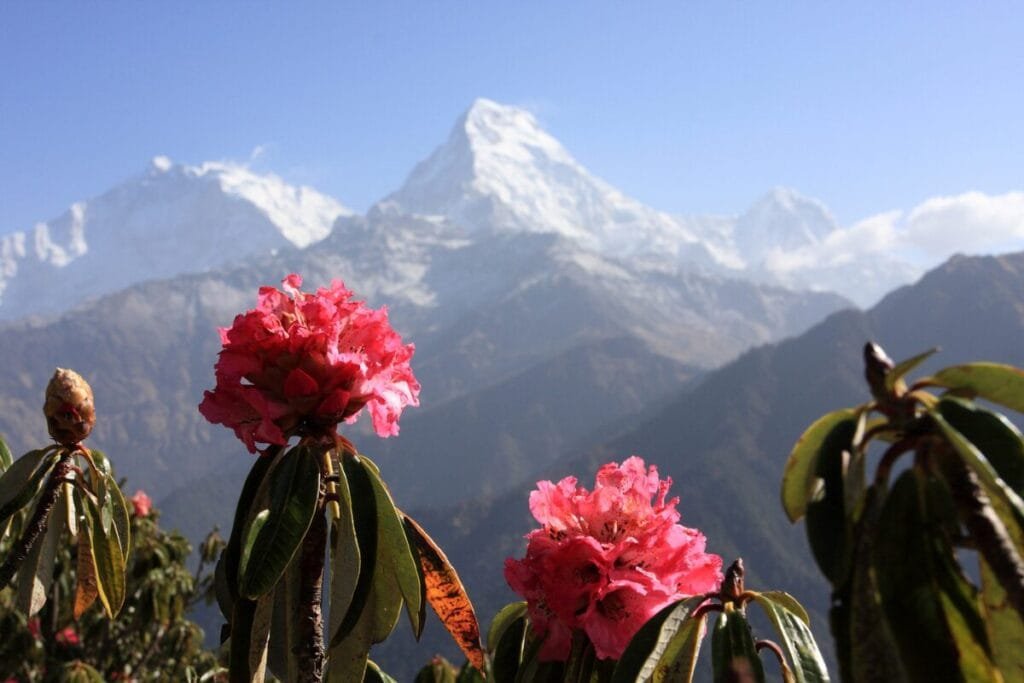
Spring is widely considered one of the Best Times to Visit Nepal, especially for trekkers and nature lovers. As winter slowly fades away, forests burst into color with blooming rhododendrons, magnolias, and wildflowers, transforming the Himalayan foothills into vibrant landscapes. The weather becomes pleasantly warm without being excessively hot, making it ideal for outdoor adventures.
One of the biggest attractions of spring is the exceptional mountain visibility. Early mornings often reveal breathtaking panoramas of Everest, Annapurna, Dhaulagiri, Machhapuchhre, Langtang, and countless other Himalayan peaks. The combination of clear skies, blooming forests, and comfortable temperatures makes this season a favorite among photographers and trekking enthusiasts.
Popular trekking routes such as the Everest Base Camp Trek, Annapurna Base Camp Trek, Mardi Himal Trek, Langtang Valley Trek, and Manaslu Circuit Trek are at their finest during spring. Trails are alive with fellow travelers, local teahouses operate at full capacity, and villages are bustling with activity.
Spring is also an excellent time for cultural exploration. Cities like Kathmandu and Pokhara enjoy pleasant weather, allowing visitors to comfortably explore ancient temples, bustling markets, and lakeside cafés. Festivals such as Holi, Nepali New Year, and Buddha Jayanti add vibrant cultural experiences to any itinerary.
Wildlife also becomes increasingly active after winter. National parks like Chitwan and Bardia offer rewarding jungle safaris where visitors have opportunities to spot one-horned rhinoceroses, deer, crocodiles, elephants, numerous bird species, and, if lucky, the elusive Bengal tiger.
Summer and Monsoon (June to August): Nepal’s Green Season
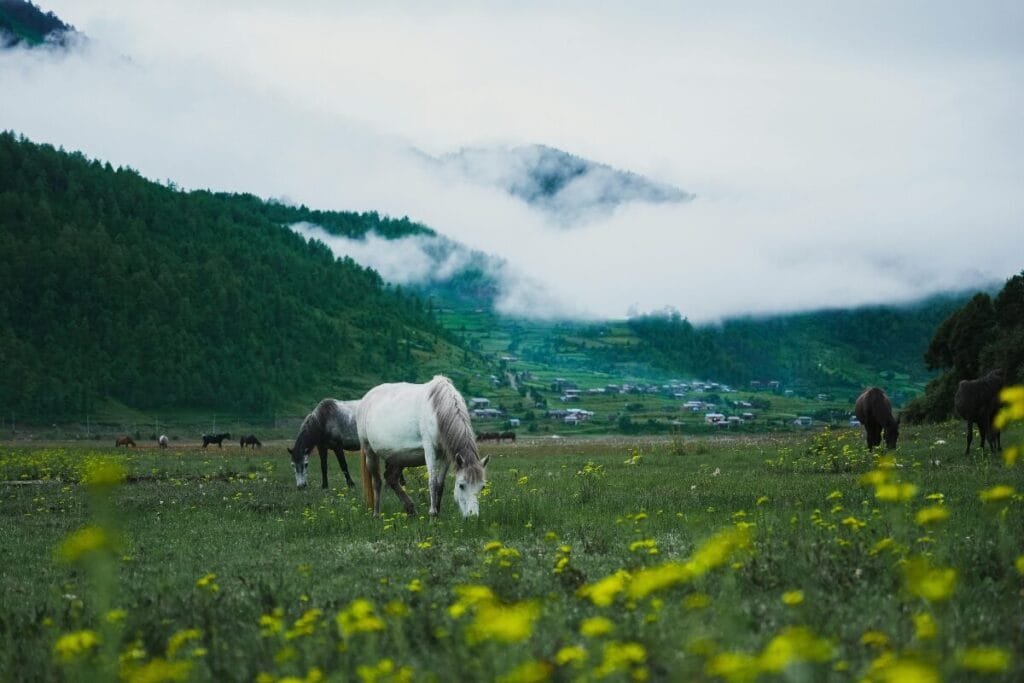
While many travelers avoid Nepal during the monsoon season, it offers a completely different perspective of the country. Frequent rainfall transforms hillsides into lush green landscapes, rivers become full and energetic, and waterfalls flow at their most spectacular.
Although trekking becomes challenging in many regions due to muddy trails, slippery paths, and occasional landslides, the monsoon season should not be overlooked entirely. Travelers seeking peaceful experiences, lower accommodation prices, and fewer crowds often find this season surprisingly rewarding.
One of the unique advantages of visiting Nepal during summer is access to rain-shadow regions. Destinations such as Upper Mustang, Dolpo, and Nar Phu Valley receive significantly less rainfall because they lie beyond the Himalayan barrier. These remote landscapes remain ideal for trekking even during the monsoon months.
Nature photographers particularly appreciate the vibrant greenery and dramatic cloud formations that characterize Nepal during this season. Birdwatchers also benefit, as migratory birds become more active throughout the national parks and wetlands.
Although weather conditions can occasionally disrupt domestic flights, travelers who remain flexible often discover a quieter and more authentic side of Nepal during the rainy season.
Autumn (September to November): Nepal’s Peak Travel Season
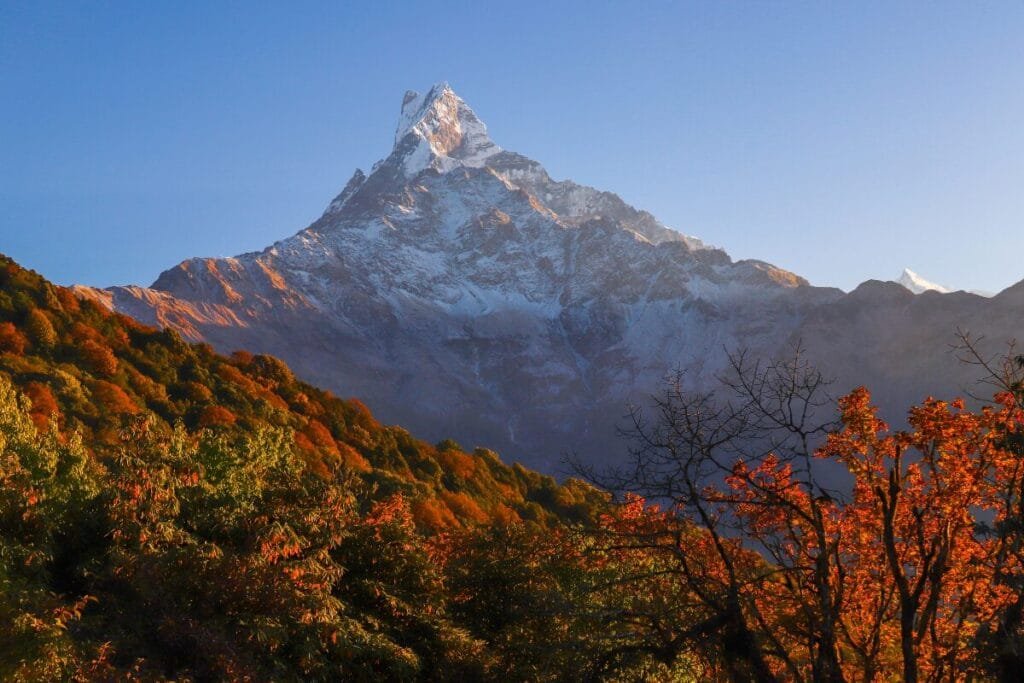
For many experienced travelers, autumn represents the absolute Best Time to Visit Nepal. As the monsoon rains clear away dust and haze, the Himalayan mountains appear sharper and more majestic than at any other time of year. Stable weather, moderate temperatures, and dry trekking trails create nearly perfect travel conditions across the country.
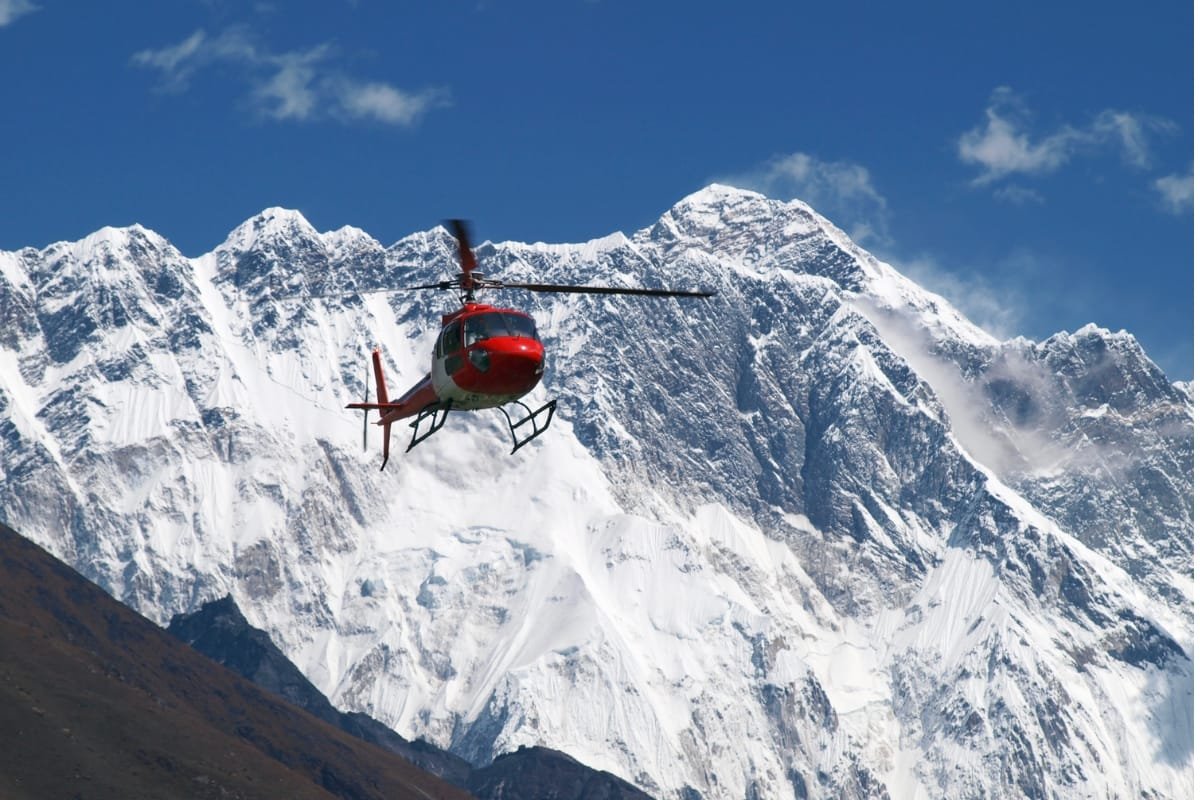
Autumn is particularly famous for trekking. Popular routes including Everest Base Camp, Annapurna Circuit, Ghorepani Poon Hill, Annapurna Panorama Trek, Langtang Valley, and Gokyo Lakes welcome thousands of trekkers from around the world. Clear skies offer uninterrupted mountain views almost every day, making this season ideal for photography and mountain flights.
Beyond trekking, autumn is Nepal’s festival season. Dashain and Tihar, the country’s two largest celebrations, fill villages and cities with colorful decorations, traditional music, family gatherings, and cultural performances. Visitors have the opportunity to experience authentic Nepalese hospitality while witnessing centuries-old traditions that continue to shape everyday life.
The pleasant climate also makes autumn perfect for heritage tours. Walking through Kathmandu Durbar Square, Bhaktapur, Patan, Pokhara, or Lumbini becomes comfortable thanks to cool mornings, sunny afternoons, and refreshing evenings.
Because autumn is Nepal’s busiest tourism season, it’s advisable to book accommodation, trekking permits, domestic flights, and guides well in advance.
Winter (December to February): Peaceful Adventures and Clear Skies
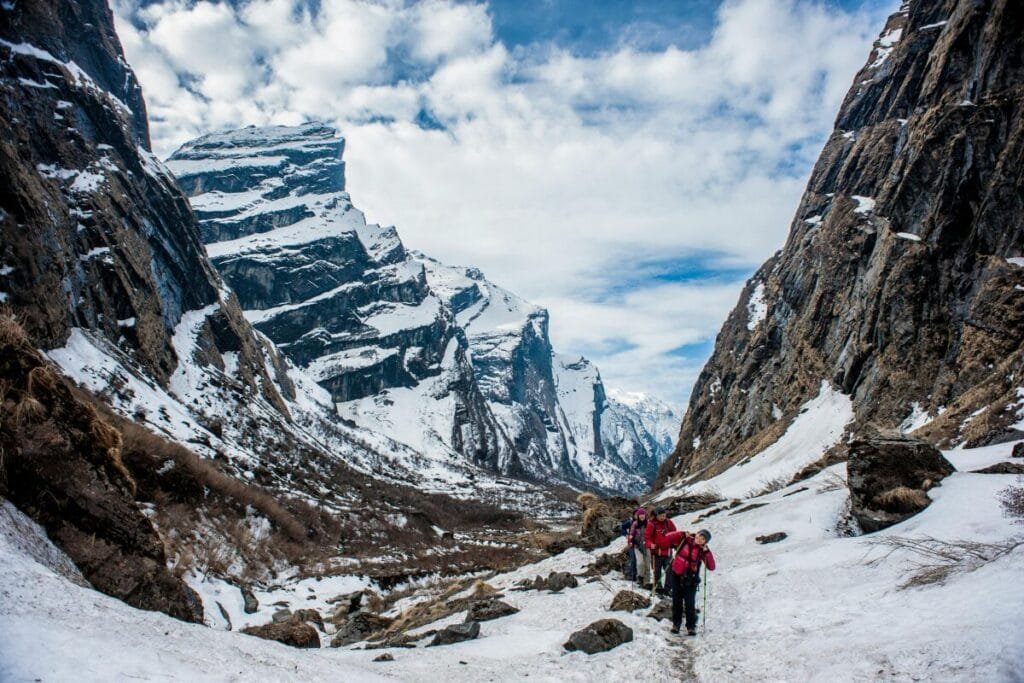
Winter offers a quieter and equally rewarding travel experience for those who don’t mind cooler temperatures. While heavy snowfall limits access to some high-altitude trekking routes, many lower-elevation destinations remain easily accessible and often provide incredibly clear mountain views.
Destinations such as Pokhara, Kathmandu Valley, Chitwan National Park, Lumbini, Ghorepani Poon Hill, and Australian Camp are excellent winter choices. Morning sunrises over snow-covered Himalayan peaks can be spectacular, especially after overnight snowfall at higher elevations.
One of winter’s biggest advantages is the reduced number of tourists. Hotels, restaurants, and attractions are less crowded, allowing visitors to enjoy a more relaxed travel experience. Accommodation prices are often lower than during peak trekking seasons, making winter an attractive option for budget-conscious travelers.
Wildlife safaris are also highly rewarding during winter. Animals frequently gather around water sources, increasing opportunities for sightings in Chitwan and Bardia National Parks.
Best Time to Visit Nepal for Trekking
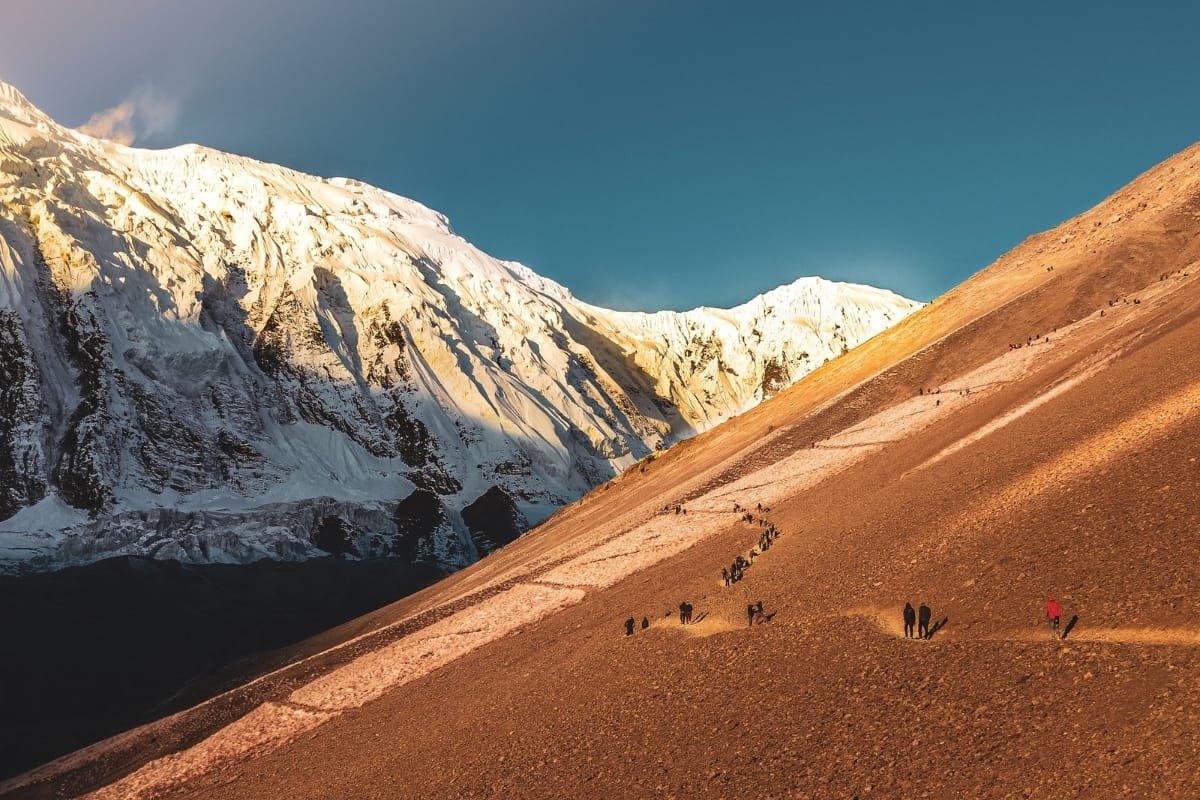
Trekking remains Nepal’s greatest attraction, drawing adventurers from every corner of the world. While many trekking routes are accessible throughout the year, spring and autumn consistently provide the safest weather, comfortable temperatures, and breathtaking mountain scenery.
The Everest Base Camp Trek is particularly spectacular between March and May and again from late September through November, when skies remain clear and temperatures are moderate. Annapurna Base Camp, Mardi Himal, Annapurna Circuit, Langtang Valley, and Manaslu Circuit follow similar seasonal patterns, offering outstanding trekking conditions during these months.
For travelers planning a monsoon adventure, Upper Mustang and Dolpo stand out as exceptional alternatives because their rain-shadow locations receive minimal rainfall compared to other trekking regions.
Regardless of the route, hiring experienced local guides and allowing sufficient time for acclimatization greatly enhances both safety and enjoyment.
Best Time to Visit Nepal for Wildlife
Nepal may be famous for its mountains, but its wildlife is equally remarkable. The country’s southern plains contain some of South Asia’s richest biodiversity, offering visitors unforgettable safari experiences.
The months between October and April are considered the best period for wildlife viewing. Cooler temperatures encourage animals to remain active throughout the day, while shorter vegetation improves visibility.
Chitwan National Park is home to the endangered one-horned rhinoceros, Bengal tiger, sloth bear, crocodiles, wild elephants, deer, and more than 500 species of birds. Bardia National Park offers a quieter safari experience and is renowned for its excellent chances of spotting Bengal tigers in their natural habitat.
Whether exploring by jeep, canoe, or guided jungle walk, Nepal’s national parks provide an exciting contrast to the country’s Himalayan landscapes.
Best Time to Visit Nepal for Cultural Tours
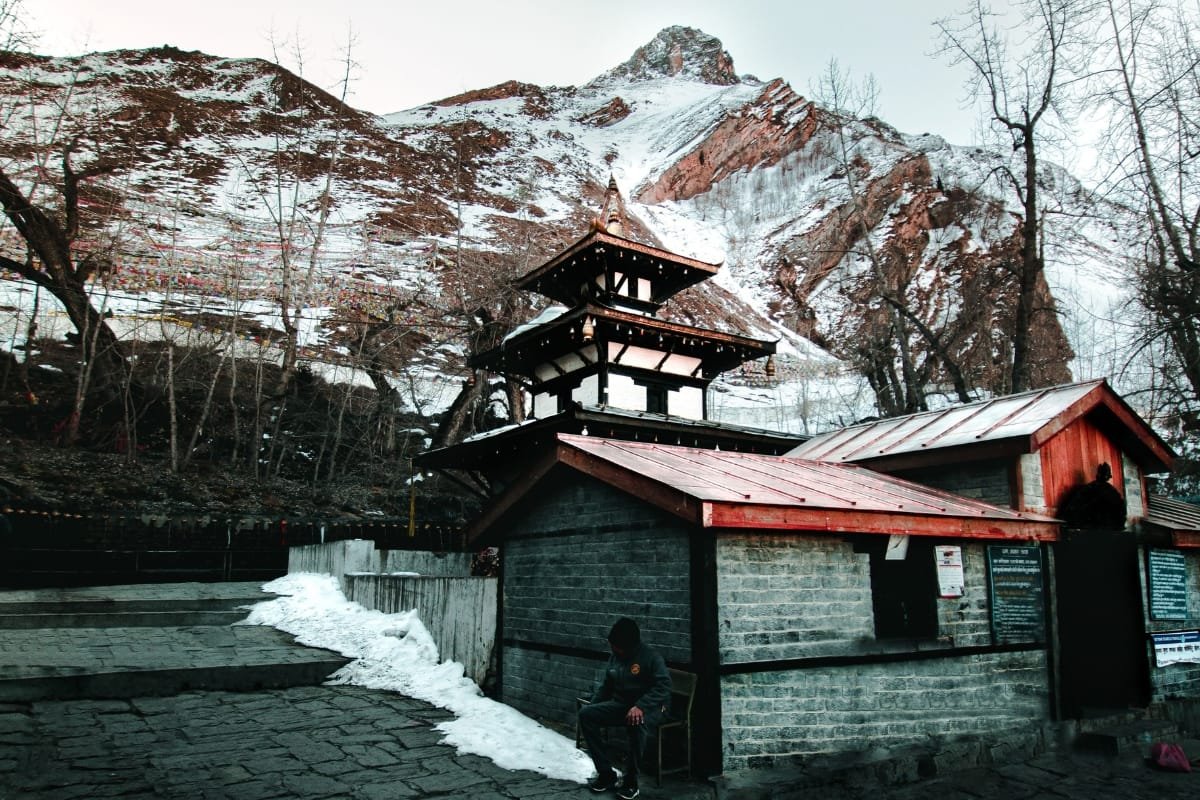
Nepal’s rich cultural heritage extends far beyond its mountains. Ancient temples, medieval palaces, Buddhist monasteries, and sacred pilgrimage sites make the country one of Asia’s most fascinating cultural destinations.
Spring, autumn, and winter all provide comfortable weather for sightseeing. Kathmandu Valley’s UNESCO World Heritage Sites, including Swayambhunath, Pashupatinath, Boudhanath, Kathmandu Durbar Square, Patan Durbar Square, and Bhaktapur Durbar Square, can be explored comfortably without the intense summer heat.
Pokhara offers stunning lakeside scenery and mountain viewpoints, while Lumbini, the birthplace of Lord Buddha, attracts pilgrims and peace seekers from around the world.
Traveling during major festivals such as Dashain, Tihar, Indra Jatra, or Buddha Jayanti adds an unforgettable cultural dimension to any Nepal itinerary.
Which Month Is the Best Time to Visit Nepal?
Although Nepal is enjoyable year-round, each month offers a different travel experience. March and April are famous for blooming rhododendrons and ideal trekking weather, while October and November provide the clearest mountain views and the country’s biggest festivals.
December through February appeal to travelers seeking fewer crowds and peaceful landscapes, while June through August are best suited for rain-shadow treks and nature photography.
Ultimately, the ideal month depends on your travel goals, budget, and preferred activities.
Final Thoughts
The Best Time to Visit Nepal ultimately depends on the experiences you’re looking for, but for most travelers, spring (March to May) and autumn (September to November) provide the perfect combination of pleasant weather, clear Himalayan views, comfortable trekking conditions, vibrant festivals, and unforgettable cultural experiences.
If wildlife adventures are your priority, visiting between October and April offers the greatest opportunities for memorable jungle safaris. Travelers looking for peaceful landscapes, fewer crowds, and budget-friendly accommodations may also find winter or the monsoon season surprisingly rewarding.
No matter when you choose to visit, Nepal never fails to inspire. From the snow-capped peaks of the Himalayas and the tranquil lakes of Pokhara to the sacred temples of Kathmandu and the wildlife-rich jungles of Chitwan, every season reveals a different side of this extraordinary country. Plan your journey wisely, embrace Nepal’s diversity, and create memories that will last a lifetime.
FAQ
What is the Best Time to Visit Nepal?
Spring (March to May) and autumn (September to November) are generally considered the best seasons due to clear weather, excellent trekking conditions, and beautiful landscapes.
Which month is best for trekking in Nepal?
October is often regarded as the best month for trekking because of stable weather, dry trails, and spectacular mountain views.
Can I visit Nepal during the monsoon?
Yes. While some regions experience heavy rainfall, rain-shadow destinations like Upper Mustang and Dolpo are excellent choices during the monsoon season.
When is the best time for a Chitwan safari?
The ideal time is from October to April, when cooler weather and shorter grass improve wildlife viewing opportunities.
Is winter a good time to visit Nepal?
Yes. Winter is perfect for cultural tours, wildlife safaris, and lower-altitude treks, offering fewer crowds and excellent mountain visibility.