Planning your first trek in Nepal can feel exciting, overwhelming, and a little intimidating at the same time. You may have seen photographs of snow-covered Himalayan peaks, colorful prayer flags, mountain villages, suspension bridges, and trekkers walking beneath some of the highest mountains on Earth. But turning that dream into an actual trekking adventure requires more than simply booking a flight to Kathmandu.
Nepal offers trekking experiences for almost every type of traveler, from relatively easy short hikes near Kathmandu and Pokhara to challenging high-altitude adventures in the Everest, Annapurna, and Langtang regions. The key is choosing a trek that matches your fitness, available time, budget, and experience.
If you are planning your first trek in Nepal, this guide will help you understand what to expect, how to prepare, when to go, what to pack, and how to choose the right Himalayan adventure.
Why Nepal Is Perfect for Your First Himalayan Trek
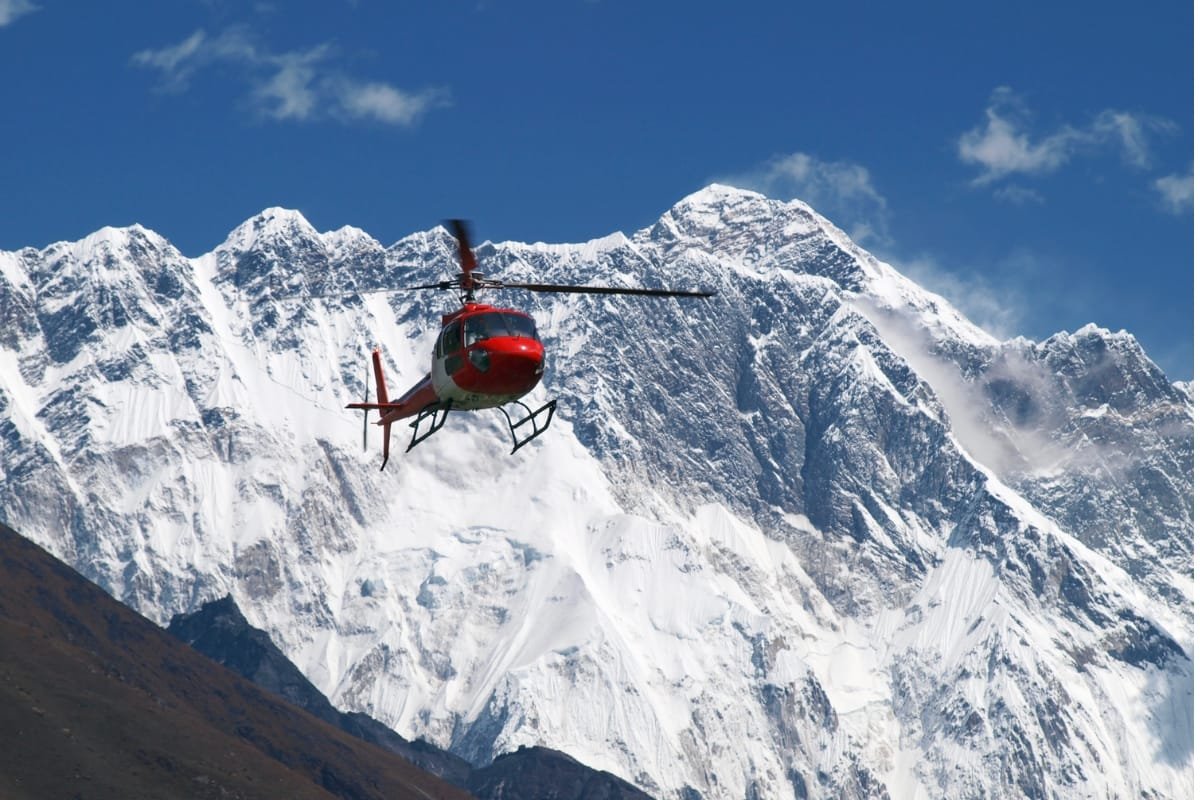
Nepal is one of the world’s most famous trekking destinations for a reason. The country is home to eight of the world’s fourteen mountains above 8,000 meters, including Mount Everest, and offers an incredible variety of landscapes within relatively short distances.
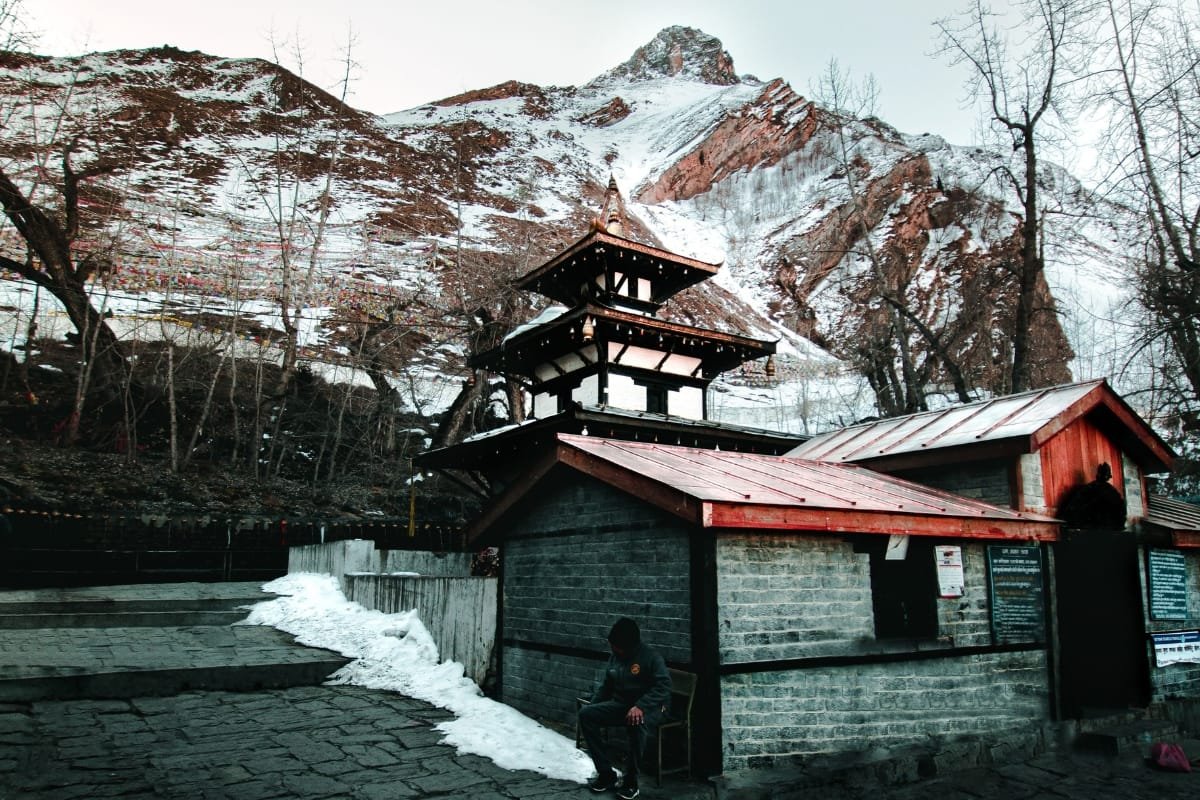
A Nepal trek is not only about reaching a mountain viewpoint. The journey takes you through forests, rivers, traditional villages, terraced hillsides, Buddhist monasteries, suspension bridges, and high mountain landscapes. Depending on the route you choose, you may walk alongside locals, stay in traditional teahouses, cross dramatic mountain passes, and wake up to panoramic Himalayan views.
For first-time trekkers, Nepal also has a well-established trekking infrastructure. Popular routes have teahouses, local guides, porters, transport connections, and established trails, making the experience much easier to manage than many people initially expect.
Start Your Himalayan Adventure in Kathmandu
For most international travelers, Kathmandu is the natural starting point for a trek in Nepal. The capital city is more than just a place to arrive before heading toward the mountains. It is where you can prepare for your journey, organize permits, meet your trekking team, purchase or rent trekking equipment, and enjoy a first taste of Nepalese culture.
Before heading into the mountains, spend some time exploring Kathmandu. The city’s historic neighborhoods, temples, local markets, and restaurants provide an interesting introduction to Nepal.
It is also a good idea to keep at least one flexible day in Kathmandu before your trek. Flights and road journeys in Nepal can sometimes be affected by weather and other local conditions, so having a little extra time in your schedule can make your trip less stressful.
If you are booking through a trekking company, this is also when your guide can brief you about the route, check your equipment, confirm permits, and answer any last-minute questions.
Choose the Right Trek for Your First Adventure
One of the most important decisions when planning a first trek in Nepal is choosing the right route. You do not need to start with the longest or most difficult trek to experience the Himalayas.
Everest Region
The Everest region is perhaps the most iconic trekking destination in Nepal. The Everest Base Camp Trek takes you through the famous Khumbu Valley, Sherpa villages, Buddhist monasteries, and spectacular mountain scenery.
For many first-time trekkers, Everest Base Camp is a dream adventure. However, it is important to understand that the trek involves several days of walking at high altitude and requires proper acclimatization.
If reaching Everest Base Camp is your ultimate goal, preparation and pacing are essential.
Annapurna Region
The Annapurna region is another excellent choice for first-time trekkers because of its incredible variety.
The Annapurna Base Camp Trek combines mountain scenery, forests, villages, waterfalls, and dramatic views of peaks including Annapurna South, Machapuchare, and Hiunchuli. It is a popular option for travelers who want a relatively compact Himalayan trekking experience.
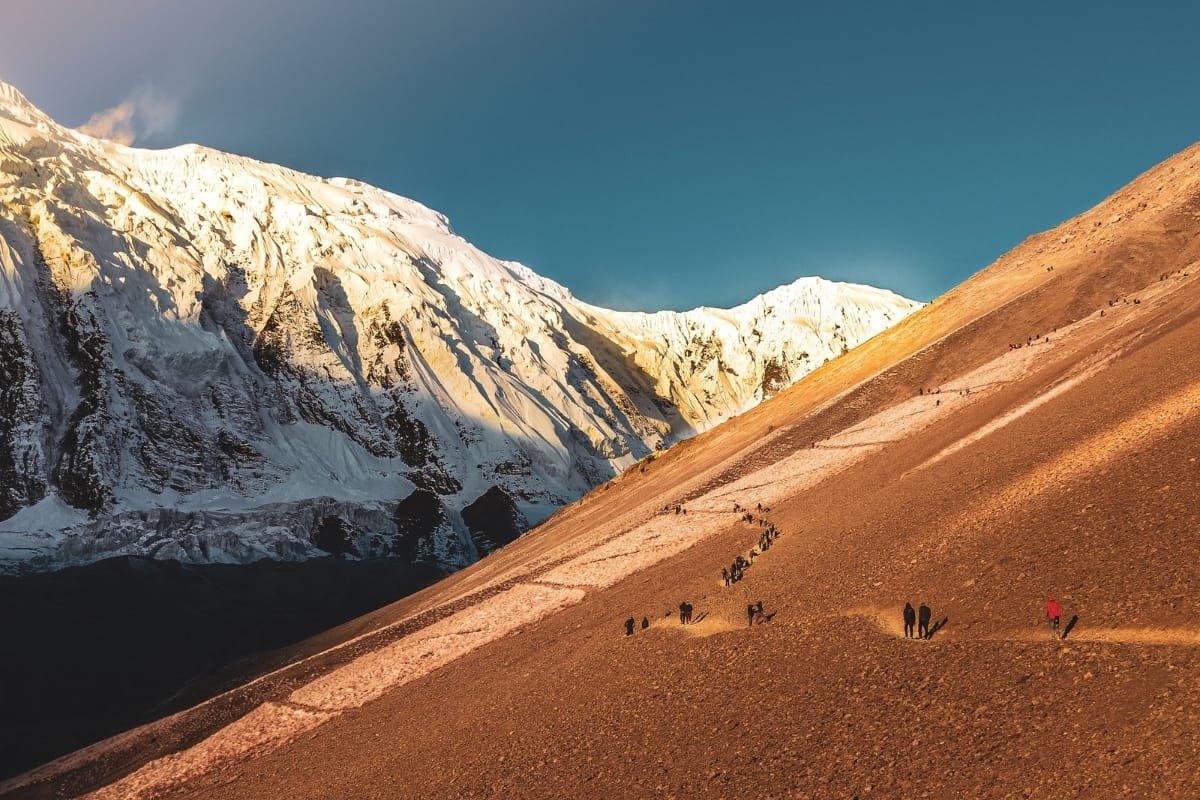
The Annapurna Circuit Trek offers a different experience, taking trekkers through changing landscapes, mountain communities, and the famous Thorong La Pass. It is a longer and more demanding adventure but provides an impressive variety of scenery.
Langtang Region
If you want a Himalayan experience that is slightly closer to Kathmandu, the Langtang Valley Trek is worth considering.
The journey takes you from lower mountain landscapes into the Langtang Valley, surrounded by impressive Himalayan peaks. It is often an attractive choice for travelers who have limited time but still want a genuine mountain trekking experience.
Langtang can also be a good introduction to Nepal trekking because it combines natural scenery and cultural experiences without requiring the same amount of travel time as some longer Himalayan routes.
How Difficult Is Trekking in Nepal?
One of the biggest questions beginners ask is, “Do I need to be extremely fit to trek in Nepal?”
The answer depends on the trek.
Some Nepal trekking routes are suitable for beginners with a reasonable level of fitness, while high-altitude routes and long mountain passes require significantly more preparation.
Trekking is different from going to the gym because you may be walking for several hours a day, often on uneven terrain and with continuous uphill and downhill sections. Your body needs to become comfortable with walking for long periods.
A good training routine before your trek can include regular walking, hiking, stair climbing, cycling, and basic strength exercises. You do not need to become an athlete, but building endurance before arriving in Nepal can make your experience much more enjoyable.
Remember, trekking is not a race. Walking slowly, taking regular breaks, staying hydrated, and listening to your body are important parts of a successful Himalayan trek.
Understand Altitude Before You Trek
Altitude is one of the most important things first-time trekkers should understand.
As you climb higher into the Himalayas, the air contains less oxygen. Your body needs time to adapt, which is why trekking itineraries normally include acclimatization days.
Do not rush the itinerary simply because you want to reach the destination faster. A properly designed Nepal trekking itinerary should allow your body enough time to adjust to increasing altitude.
Your guide can also help monitor how you are feeling throughout the trek. If you experience unusual or worsening symptoms at altitude, it is important to communicate with your guide immediately rather than trying to push through them.
Proper acclimatization, hydration, pacing, and a sensible itinerary are essential for high-altitude trekking.
When Is the Best Time to Trek in Nepal?
Choosing the right Nepal trekking season can make a major difference to your experience.
The autumn months of September to November are traditionally considered among the best times for trekking. The weather is generally stable, visibility is often excellent, and the Himalayan views can be spectacular.
Spring, particularly March to May, is another popular trekking season. The weather is generally favorable, and lower elevations can be particularly beautiful as rhododendrons and other flowers bloom.
Winter can be cold, especially at higher elevations, but some lower-altitude treks remain excellent options for travelers who prefer quieter trails.
The monsoon season, generally from June to August, brings rain to much of Nepal. However, some regions, including rain-shadow areas such as Upper Mustang, can still be suitable for trekking during this period.
Rather than asking only “What is the best month to trek in Nepal?”, consider your chosen route, altitude, weather conditions, and personal preferences.
What Should You Pack for Your First Nepal Trek?
Packing for a Himalayan trek does not mean bringing everything you own. In fact, traveling light can make your trek considerably easier.
Your trekking gear should generally include comfortable hiking shoes or boots, moisture-wicking clothing, warm layers, a waterproof jacket, trekking trousers, a warm hat, gloves, sunglasses, sunscreen, a reusable water bottle, a backpack or duffel bag, and basic personal items.
For higher-altitude treks, you may also need warmer insulation, thermal layers, a good sleeping bag, and other specialized equipment depending on the season and route.
One useful rule for first-time trekkers is to pack for the trek you are actually doing, not every possible weather condition you can imagine. Your trekking company can provide a detailed packing guide based on your route and season.
Do You Need a Guide and Porter?
For many first-time trekkers, having a professional guide can make the journey significantly easier and more enjoyable.
A local guide does more than simply show you the trail. They can help with navigation, accommodation, meals, communication with local communities, altitude awareness, and unexpected situations along the route. They can also introduce you to the culture and stories behind the places you visit.
A porter can carry your main luggage, allowing you to concentrate on walking with a lighter daypack.
For your first Nepal trekking experience, traveling with a reputable trekking company can also simplify logistics such as permits, transportation, accommodation, guides, porters, and itinerary planning.
Trekking Permits and Regulations
Depending on your trekking region, you may need trekking permits and other official documentation.
The exact requirements can vary depending on the route, so it is important to check the latest regulations before your trek. A reliable trekking agency can help arrange the necessary permits and explain what documents you need to carry.
This is another reason why working with a local trekking company can be useful, particularly if you are visiting Nepal for the first time.
What Is Accommodation Like on a Nepal Trek?
Do not expect luxury hotels in the middle of the Himalayas.
Most popular trekking routes offer teahouse accommodation, where trekkers stay in simple rooms and share common dining areas. Facilities become more basic as you travel toward higher elevations and more remote areas.
The simplicity is part of the experience. After several hours of walking, sitting around a warm dining room, sharing stories with fellow trekkers, and watching the mountains outside can become one of the most memorable parts of the journey.
Some lower-altitude trekking routes and newer lodges offer more comfortable facilities, but expectations should always match the remoteness of the destination.
What Food Can You Expect on the Trail?
Food is another enjoyable part of trekking in Nepal.
On popular trekking routes, teahouses serve a mixture of traditional Nepalese dishes and familiar international meals. Dal bhat, consisting of rice, lentil soup, vegetables, and other accompaniments, is a popular trekking meal because it is filling and provides plenty of energy.
You may also find noodles, soups, pasta, eggs, potatoes, momos, pancakes, and other dishes depending on the location.
As you climb higher, food choices may become more limited and prices can increase because supplies have to be transported into remote mountain areas.
How Much Does a Nepal Trek Cost?
The cost of trekking in Nepal depends on your route, duration, accommodation, transportation, guide and porter services, permits, and level of comfort.
A short and relatively low-altitude trek can be considerably cheaper than a two-week high-altitude adventure such as Everest Base Camp or a longer circuit trek.
When comparing trekking packages, do not look only at the headline price. Check what is included in the package, such as airport transfers, accommodation, meals, transportation, permits, guide services, porter services, and emergency support.
A transparent trekking company should clearly explain what you are paying for before the journey begins.
How to Prepare for Your First Trek in Nepal
The best preparation for trekking is consistency.
Start walking regularly several weeks or months before your trip. Gradually increase your walking distance and include uphill and downhill routes whenever possible. If you live somewhere without mountains, stairs and incline walking can help build endurance.
You should also prepare mentally.
There will probably be moments when the trail feels difficult, the weather changes unexpectedly, or you simply wish you could take a hot shower in a comfortable hotel. That is normal.
The reward comes from continuing one step at a time and eventually looking back at the trail you have conquered.
Why Book Your Nepal Trek with a Local Trekking Company?
Planning everything independently is possible, but a local trekking company can save you time and reduce the stress of organizing the details.
A Nepal-based trekking company understands local routes, transportation, accommodation, guides, weather patterns, permits, and mountain logistics. More importantly, local teams can provide support when plans change.
At Frox Holidays, we design trekking experiences around the traveler rather than simply selling a fixed itinerary. Whether you are dreaming about Everest Base Camp, Annapurna Base Camp, the Annapurna Circuit, Langtang Valley, or a shorter Himalayan adventure, our team can help you choose an itinerary that matches your time, fitness, interests, and budget.
The goal is simple: you should spend your energy experiencing Nepal, not worrying about every logistical detail.
Your First Trek Is More Than a Walk
Your first trek in Nepal may begin with a flight into Kathmandu, but the experience quickly becomes much bigger than the journey itself.
You will walk through mountain villages, meet local people, cross suspension bridges, experience changing landscapes, sleep in Himalayan teahouses, and gradually watch the mountains grow larger around you.
You do not need to be an experienced mountaineer. You do not need to climb Mount Everest. And you certainly do not need to be the fastest person on the trail.
You simply need the right trek, proper preparation, a realistic itinerary, and the willingness to take the journey one step at a time.
From the busy streets of Kathmandu to the quiet trails beneath the Himalayas, Nepal has a trekking adventure waiting for you.
Ready to plan your first Himalayan adventure? Explore Nepal with Frox Holidays and let your journey from Kathmandu to the Himalayas begin.
Frequently Asked Questions About Trekking in Nepal
What is the best trek in Nepal for beginners?
There is no single best trek for everyone. Annapurna Base Camp, Langtang Valley, and selected shorter Himalayan treks can be excellent options for beginners, while Everest Base Camp is ideal for those prepared for a longer high-altitude adventure.
How many days do I need for a Nepal trek?
It depends on your destination. Short treks can take around 3–7 days, while popular adventures such as Everest Base Camp and Annapurna Circuit generally require around two weeks or more depending on the itinerary.
Do I need previous trekking experience?
No. Many popular Nepal trekking routes can be completed by first-time trekkers with reasonable fitness and proper preparation. Your chosen route should match your experience and fitness level.
Is trekking in Nepal safe for beginners?
Trekking can be safe for beginners when you choose an appropriate route, follow a properly paced itinerary, prepare adequately, and trek with experienced guides when needed. Altitude, weather, trail conditions, and general mountain safety should always be taken seriously.
Can I trek in Nepal without a guide?
Requirements vary by trekking region and can change over time. For first-time visitors, trekking with a registered guide or reputable local trekking company can make the experience easier, safer, and more informative.
What is the best season for trekking in Nepal?
Autumn and spring are generally the most popular trekking seasons because of favorable weather and mountain visibility. However, the ideal season depends on your chosen trekking region and altitude.
How early should I plan my Nepal trek?
For popular routes and peak trekking seasons, planning several weeks to a few months in advance is recommended. This gives you enough time to arrange flights, permits, accommodation, trekking equipment, and physical preparation.
Is Nepal good for a first Himalayan trekking experience?
Absolutely. With a wide range of trekking routes, established teahouse infrastructure, experienced local guides, and breathtaking mountain scenery, Nepal is one of the best destinations for a first Himalayan trekking adventure.