Nepal is quickly becoming one of South Asia’s emerging destinations for large-scale corporate conventions, government summits, exhibitions, and international conferences. With improving infrastructure, competitive event costs, luxury hospitality growth, and unique cultural experiences, Kathmandu is now capable of handling events with over 1,000 delegates efficiently.
For event planners searching for convention venues in Nepal, two names stand out prominently: the Godavari Sunrise Convention Center and the BICC (Birendra International Convention Centre). Both venues offer different strengths depending on the nature of the event, audience size, logistics, and technical requirements.
This guide explains everything event organizers need to know about planning large-scale conventions in Nepal, including venue selection, delegate management, transportation, accommodation, event production, and operational planning.
Why Nepal Is Growing as a Convention Destination
Nepal has traditionally been known for trekking and leisure tourism, but the country is now positioning itself as a destination for MICE tourism (Meetings, Incentives, Conferences, and Exhibitions).
Several factors make Nepal attractive for international conventions:
- Competitive operational costs compared to regional destinations
- Unique cultural and natural experiences
- Growing number of luxury hotels
- Improved air connectivity
- Availability of large event venues
- Government and private sector support for tourism
- Strong opportunities for “Bleisure” travel
International organizations, NGOs, corporate groups, trade associations, educational institutions, and government agencies are increasingly considering Nepal for annual conventions and regional summits.
Understanding Nepal’s Largest Convention Venues
1. Godavari Sunrise Convention Center
Overview
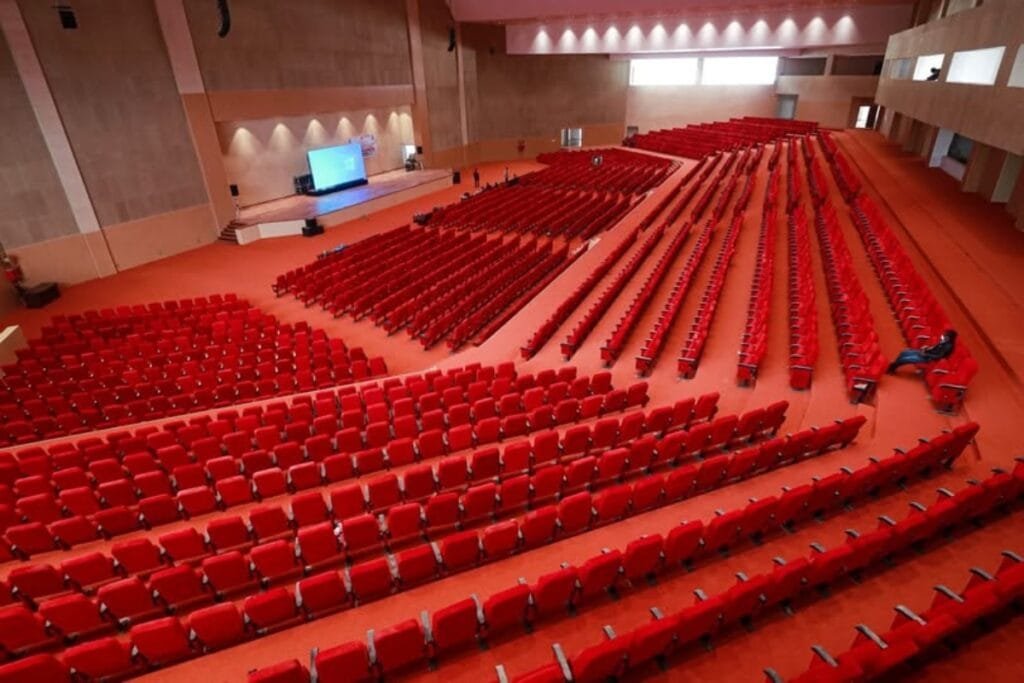
Located in the peaceful southern side of Kathmandu Valley, the Godavari Sunrise Convention Center has become one of Nepal’s most modern and flexible venues for large-scale events. The venue is designed to accommodate everything from international business summits and exhibitions to concerts, gala dinners, educational expos, and government gatherings.
One of the biggest advantages of this venue is its spacious layout and modern architecture, which allows event planners to create customized event setups depending on the nature of the convention. Compared to traditional hotel ballrooms, the venue offers much greater flexibility for staging, exhibition booth placement, branding installations, networking zones, and crowd movement.
Because of its location away from the heavy congestion of central Kathmandu, many organizers prefer the venue for multi-day conferences where attendees require a quieter and more organized environment.
Key Advantages
Large Capacity
The venue is capable of handling thousands of attendees comfortably, making it suitable for:
- International conventions
- Large trade fairs
- Corporate annual meetings
- Multi-brand expos
- Public exhibitions
- Entertainment events
The spacious design helps organizers manage registration areas, breakout zones, sponsor booths, and food courts without creating overcrowding.
Spacious Parking and Outdoor Areas
Parking management is often a major challenge during large events in Kathmandu. Godavari Sunrise solves this issue by providing larger parking facilities and open movement areas for buses, VIP vehicles, and logistics teams.
The outdoor spaces can also be utilized for:
- Product displays
- Cultural performances
- Outdoor networking sessions
- Evening receptions
- Brand activations
This additional flexibility makes the venue highly attractive for exhibition-focused conventions.
Modern Infrastructure
Modern event production is essential for international-standard conferences. The venue supports advanced technical setups including:
- Large LED display systems
- Professional audio systems
- High-quality stage lighting
- Live streaming arrangements
- Multi-camera production setups
- Simultaneous translation systems
These features help event planners deliver professional experiences comparable to regional convention standards.
Scenic Environment
The surrounding Godavari area is known for its greenery and calm atmosphere. This creates a more relaxed experience for delegates compared to busy urban event locations.
For international guests, the location also provides a more refreshing introduction to Nepal’s natural environment while still remaining accessible from Kathmandu city and the airport.
2. Birendra International Convention Centre (BICC)
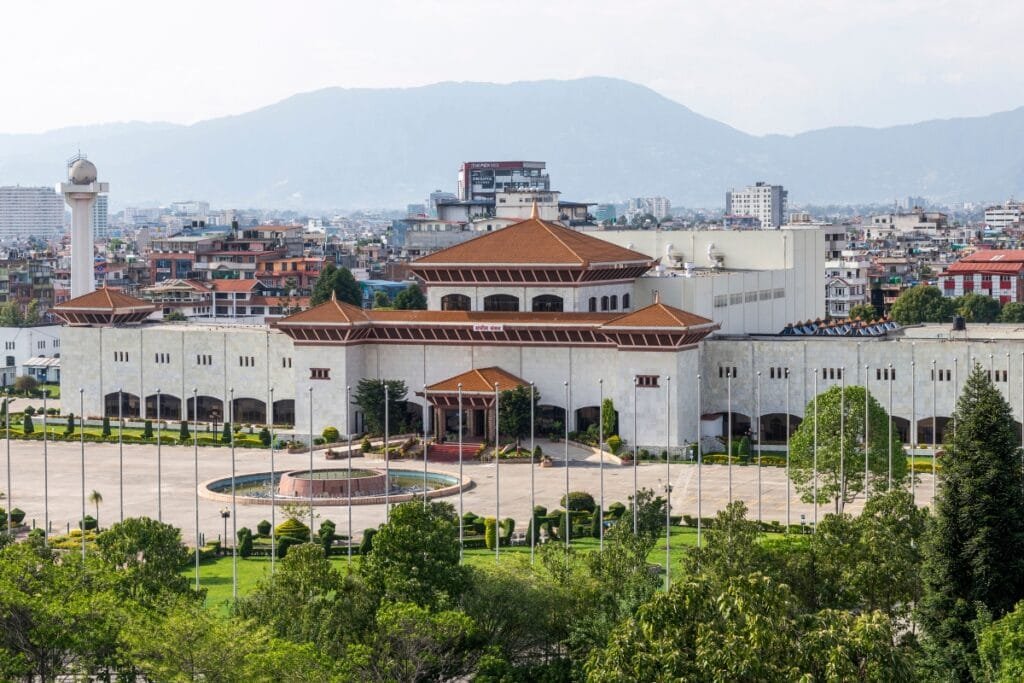
The Birendra International Convention Centre (BICC) is Nepal’s most recognized official convention venue and has long served as a center for high-level meetings, government programs, diplomatic events, and international conferences.
Its central location in Kathmandu makes it one of the most convenient venues for events involving ministries, embassies, international organizations, NGOs, and foreign delegates.
BICC has hosted numerous national and international programs over the years, giving it strong credibility for formal and large-scale conference operations. Many organizers prefer the venue because of its accessibility and established reputation in Nepal’s conference industry.
Key Advantages
Central Location
One of BICC’s biggest strengths is its strategic location in Kathmandu city. Delegates can easily access:
- Major business hotels
- Government offices
- Embassy areas
- Tourist centers
- Restaurants and shopping areas
This reduces transportation challenges and improves overall delegate convenience during large conventions.
The venue is also relatively accessible from Tribhuvan International Airport, which is beneficial for international arrivals.
Proven International Event Experience
BICC has experience handling:
- Government summits
- Diplomatic forums
- International assemblies
- Political conferences
- NGO conventions
- Academic conferences
Its operational familiarity with protocol-based events makes it highly suitable for formal international gatherings requiring structured coordination.
Multiple Hall Configurations
The venue offers flexibility through multiple halls and meeting spaces that can be arranged for:
- Main plenary sessions
- Breakout discussions
- VIP meetings
- Press conferences
- Media briefing rooms
- Exhibition corners
- Networking lounges
This allows organizers to operate multiple event functions simultaneously within the same venue.
Accessibility and Urban Convenience
Because BICC is located within Kathmandu city, delegates have easier access to:
- Banking facilities
- Restaurants
- Emergency medical services
- Shopping areas
- Tourist attractions
This urban convenience improves overall attendee experience, especially for international participants staying in nearby hotels.
1. Delegate Registration Management
Efficient registration systems become extremely important when managing conventions with more than 1,000 attendees. Delays at entry points can create confusion, crowd buildup, and poor first impressions.
Modern convention management in Nepal now increasingly uses digital systems such as:
- QR code check-ins
- Online badge generation
- Mobile event registration
- Digital attendance tracking
Dedicated registration counters should also be arranged separately for:
- VIP delegates
- Media representatives
- Speakers and panelists
- Sponsors and exhibitors
- International guests
For international events, hospitality desks at the airport and hotels can significantly improve the arrival experience for delegates.
2. Accommodation Planning
Accommodation planning is one of the most important operational aspects of convention management. Large-scale events often require coordination with multiple hotels across Kathmandu depending on delegate categories and budgets.
Organizers should ideally reserve room blocks several months in advance, especially during Nepal’s peak tourism seasons.
Luxury hotels are generally reserved for:
- VIP speakers
- Government officials
- International delegates
- Sponsors and executive guests
Meanwhile, business hotels and boutique properties can be arranged for general participants and operational teams.
Proper accommodation planning also helps reduce transportation complexity and improves time management during conference days.
3. Transportation Logistics
Transportation coordination for large events in Nepal requires detailed planning due to Kathmandu’s traffic conditions and varying travel times.
A professional transportation strategy usually includes:
- Airport arrival scheduling
- Dedicated shuttle systems
- Hotel pickup coordination
- VIP vehicle management
- Backup transportation arrangements
For venues such as Godavari Sunrise, organizers should carefully calculate commute timing during peak traffic hours to avoid delays in conference sessions.
Transportation communication is equally important. Delegates should receive:
- Pickup schedules
- Contact information
- Shuttle timing details
- Emergency support numbers
A well-managed transportation system creates a smoother delegate experience throughout the event.
4. Technical Production and AV Setup
The success of a convention heavily depends on the quality of technical production. Poor sound systems, internet failures, or display issues can negatively affect the entire event experience.
Professional event production teams should manage:
- Audio engineering
- LED display operation
- Live streaming
- Simultaneous interpretation
- Stage management
- Lighting coordination
For international conferences, high-speed internet and backup connectivity solutions are especially critical.
Organizers should always conduct full technical rehearsals before the event begins to identify and solve any production issues in advance.
5. Security and Crowd Management
Large conventions require structured crowd management systems to ensure attendee safety and smooth event operations.
Security planning should include:
- Controlled entry points
- Delegate badge verification
- Emergency evacuation planning
- Medical assistance teams
- Fire safety coordination
- VIP movement management
Events involving government representatives or international delegations may also require coordination with local security authorities.
Professional crowd management improves both safety and attendee comfort during high-capacity events.
6. Food and Catering Operations
Catering is an important part of delegate satisfaction during multi-day conventions. Poor food management can negatively affect attendee experience even if the event itself is well organized.
Convention catering usually includes:
- Morning refreshments
- Coffee breaks
- Buffet lunches
- Evening networking dinners
- Gala events
International conferences should also consider dietary diversity including:
- Vegetarian meals
- Vegan options
- Halal food
- Gluten-free items
- Allergy-sensitive preparations
Efficient food service timing is equally important to avoid crowd congestion during breaks.
7. Exhibition and Expo Management
Exhibitions often become one of the most engaging sections of large conventions. Proper expo planning helps sponsors and exhibitors gain better visibility while improving attendee interaction.
Effective exhibition planning includes:
- Structured booth layouts
- Sponsor branding zones
- Visitor circulation planning
- Power management
- Product demonstration areas
- Storage and logistics access
Large venues like Godavari Sunrise are particularly suitable for exhibitions because they offer more flexible floor planning and spacious movement areas.
A professionally managed exhibition area increases sponsor satisfaction and improves the commercial value of the convention.