Planning a trek in Nepal is exciting, but one of the first questions most travelers ask is simple: how much does a Nepal trek cost?
The answer depends on where you go, how many days you trek, the level of comfort you want, and what is included in your package. A short and relatively easy trek can be considerably less expensive than a high-altitude adventure such as Everest Base Camp or a remote restricted-area trek.
For a typical organized trek in Nepal in 2026, international travelers should generally think in terms of several hundred to a few thousand US dollars per person, depending on the route and service level. Your total budget may include trekking permits, TIMS, accommodation, meals, transportation, guides, porters, domestic flights where required, travel insurance and personal expenses.
The good news is that Nepal offers trekking experiences for a wide range of budgets. You do not necessarily need a luxury budget to experience the Himalayas.
What Determines the Cost of a Nepal Trek?
There is no fixed price for trekking in Nepal because every itinerary is different.
The biggest factors are the trekking route and duration. A five-to-seven-day trek around the Annapurna or Langtang region will naturally have a different cost from a two-week Everest Base Camp itinerary.
Your choice of accommodation also matters. Most classic trekking routes use teahouses and lodges, where trekkers can stay overnight and eat meals. Choosing a more comfortable room, private accommodation where available, or premium services can increase the overall cost.
Transportation is another important factor. Some treks require road transportation from Kathmandu or Pokhara, while others involve domestic flights. The Everest Base Camp trek, for example, commonly involves flying between Kathmandu and Lukla as part of the standard itinerary.
Finally, the number of services included in your trekking package can significantly affect the price. A package that includes a licensed guide, porter, permits, accommodation, meals and transportation will naturally cost more than arranging individual elements yourself.
Nepal Trek Cost Breakdown for 2026
Instead of looking only at the headline price of a trekking package, it is better to understand where your money goes.
1. Trekking Package Cost
For most travelers, the trekking package itself will be the largest part of the budget.
A standard organized trekking package may include accommodation, meals during the trek, guide services, permits, ground transportation and other logistical arrangements. The exact inclusions vary between trekking companies and routes.
As a rough planning guide, many popular Nepal trekking packages can fall within these broad ranges:
| Trek Type | Approximate Budget Per Person |
|---|---|
| Short / Easy Trek | USD 400–800 |
| Mid-Range Trek | USD 700–1,300 |
| Everest Base Camp Trek | USD 1,200–2,000+ |
| Annapurna Circuit Trek | USD 700–1,400+ |
| Manaslu Circuit Trek | USD 900–1,600+ |
| Premium / Luxury Trek | USD 2,000–4,000+ |
These are planning ranges rather than fixed prices. The final cost depends on itinerary length, group size, season, accommodation, transportation, guide and porter arrangements, and package inclusions.
2. TIMS Card
The Trekkers’ Information Management System, commonly known as TIMS, is another cost travelers need to consider.
Nepal Tourism Board currently lists TIMS charges at NPR 2,000 for travelers from countries outside the SAARC region and NPR 1,000 for SAARC nationals. The current system also requires trekkers on many major routes to be accompanied by a licensed guide and carry an agency-issued TIMS card.
This is particularly important when comparing trekking packages. A very low advertised trek price may not necessarily include every permit or service you need.
3. National Park and Conservation Area Fees
Many popular trekking routes pass through Nepal’s national parks or conservation areas, which means an entry fee is required.
For example, Nepal Tourism Board currently lists the foreigner entry fee for Sagarmatha National Park at NPR 3,000, while the fee for the Annapurna Conservation Area is NPR 3,000 according to its current park-entry information.
These fees can change, so it is always worth checking the latest official information when planning your trek.
4. Restricted-Area Trekking Permits
Some of Nepal’s most remote trekking destinations require additional restricted-area permits.
This applies to destinations such as Upper Mustang, Manaslu, Upper Dolpo and several other restricted regions.
For example, the current Nepal Tourism Board information lists the Manaslu restricted-area permit at USD 100 per person per week during September–November, while the Upper Mustang permit is currently listed at USD 50 per person per day.
This is one reason why remote treks can cost considerably more than popular routes.
5. Guide and Porter Costs
A guide can make a major difference to both the safety and overall experience of a trek.
Guides help with navigation, communication, accommodation arrangements, local culture and practical problems along the trail. On many popular trekking routes, having a licensed guide is also a requirement.
A porter can be particularly useful on longer or higher-altitude treks. Instead of carrying a heavy backpack every day, trekkers can focus more on walking and enjoying the landscape.
The cost of guides and porters depends on the trek, duration, experience and services provided, so it is better to confirm this as part of your package rather than assuming a single daily rate.
6. Accommodation During the Trek
Accommodation on Nepal’s major trekking routes is usually provided through teahouses and mountain lodges.
A basic teahouse room is generally simple, but it provides exactly what trekkers need after a long day on the trail: a bed, warmth, food and a place to rest.
At higher elevations, prices for food, accommodation and other services can increase because supplies have to be transported farther into the mountains.
This is one reason why your daily spending may gradually increase as you move higher on a trek.
7. Food and Drinks
Food is another important part of your trekking budget.
Most teahouses serve a mixture of traditional Nepali dishes and familiar international meals. Dal bhat, noodles, pasta, soups, momos, eggs and various hot drinks are common choices along popular trekking routes.
You should also budget for bottled or treated water, tea, coffee, snacks and other drinks.
A useful rule is simple: the higher you go, the more expensive food and drinks tend to become.
For budget-conscious trekkers, choosing local meals such as dal bhat can help keep daily food expenses manageable while also giving you a taste of everyday Nepali cuisine.
8. Transportation Costs
Transportation can represent a significant part of your Nepal trekking budget.
Depending on your route, you may need:
- Airport transfers
- Private or shared vehicles
- Tourist buses
- Domestic flights
- Local jeeps
- Road transportation between trekking points
The Everest region is a good example. A standard Everest Base Camp itinerary often involves a flight to Lukla, while Annapurna and Langtang treks can involve road transportation from Kathmandu or Pokhara.
When comparing trekking packages, check whether transportation is already included.
9. Travel Insurance
Travel insurance should not be treated as an optional luxury when planning a Himalayan trek.
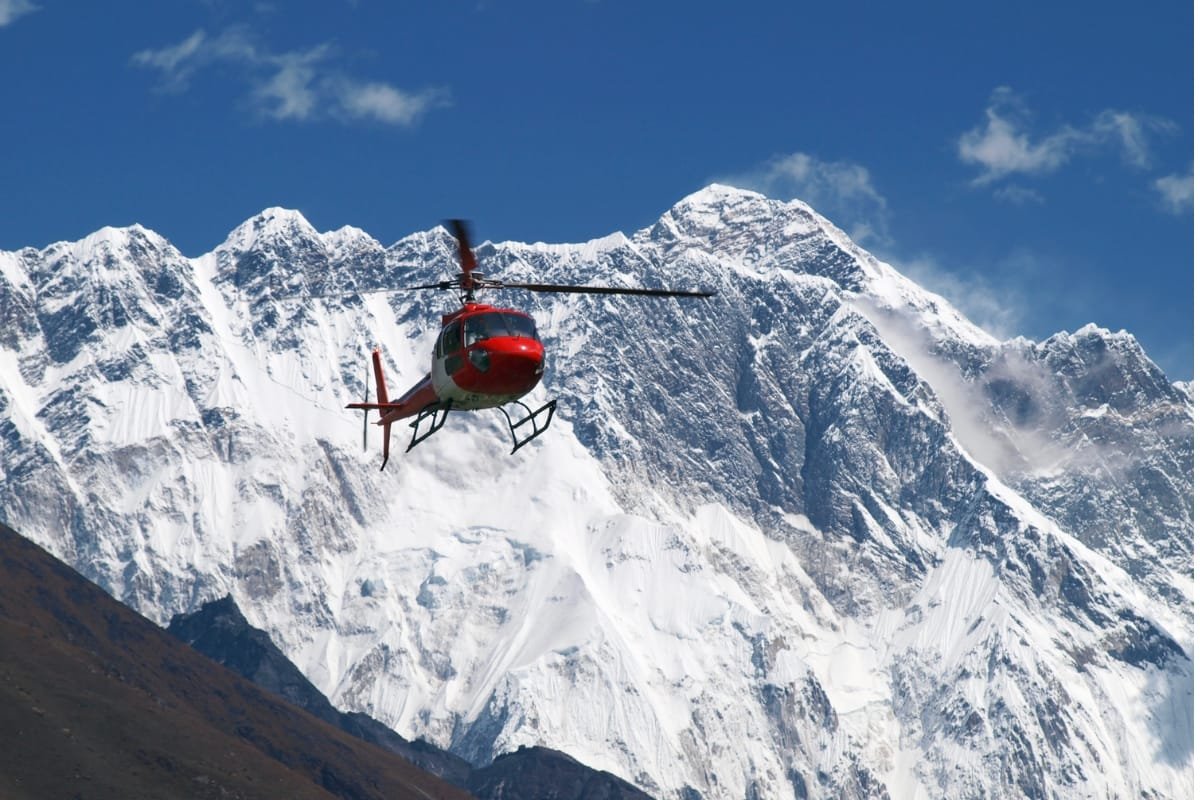
For higher-altitude trekking, your insurance should specifically cover trekking activities at the altitude you plan to reach. It is also wise to check whether emergency evacuation, including helicopter evacuation where appropriate, is covered under your policy.
Insurance is not usually included in the trekking package because travelers purchase their own policies based on their needs and nationality.
10. Trekking Gear and Equipment
If this is your first trek in Nepal, you may also need to budget for equipment.
Depending on the trek, you may need:
- Trekking boots
- Backpack
- Sleeping bag
- Down or insulated jacket
- Waterproof jacket
- Trekking trousers
- Thermal layers
- Gloves
- Hat
- Sunglasses
- Trekking poles
- Headlamp
- Water bottle
- Personal first-aid supplies
You do not necessarily need to buy everything new.
Kathmandu has many stores where travelers can rent or purchase trekking equipment, making it possible to reduce your initial investment.
How Much Does Everest Base Camp Trek Cost in 2026?
The Everest Base Camp Trek is one of Nepal’s most popular trekking adventures, but it is also more expensive than many shorter treks because of its duration, logistics and transportation.
A reasonable planning budget for a standard organized Everest Base Camp trek in 2026 is around USD 1,200–2,000 or more per person, depending on the itinerary and level of service.
A budget package may focus on essential services, while a premium package could include upgraded accommodation, private transportation, additional staff or a more comfortable itinerary.
The most important thing is not simply choosing the cheapest Everest Base Camp package. Look carefully at what the price actually includes.
How Much Does Annapurna Circuit Trek Cost in 2026?
The Annapurna Circuit Trek can offer excellent value because road access has reduced the need for some of the longer walking sections of the classic route.
For a standard organized Annapurna Circuit experience, travelers can plan around USD 700–1,400+ per person, depending on the duration, transportation, accommodation and services included.
The trek passes through remarkably varied landscapes, from lower valleys to the high-altitude Thorong La Pass, making it one of Nepal’s most diverse trekking experiences.
The Annapurna Conservation Area is officially listed as having September–November as one of its best trekking seasons.
How Much Does Manaslu Circuit Trek Cost in 2026?
The Manaslu Circuit Trek is generally more expensive than some mainstream trekking routes because of its restricted-area regulations, permits and logistics.
A typical organized Manaslu Circuit Trek may cost around USD 900–1,600+ per person, depending on the itinerary and group size.
One important cost to remember is the restricted-area permit. During September–November, the current official rate for the Manaslu restricted area is USD 100 per person per week.
This is one of the reasons Manaslu should not be compared directly with shorter and less regulated trekking routes.
Can You Trek Nepal on a Budget?
Absolutely.
Nepal is one of the world’s most accessible destinations for trekking on different budgets.
If you want to reduce your expenses, consider traveling in a small group, choosing a shorter itinerary, staying in standard teahouses, eating local meals and avoiding unnecessary luxury services.
However, budget does not mean cutting corners on safety.
A cheaper package should never mean skipping permits, proper insurance, experienced guides or essential equipment.
When comparing trekking companies, look beyond the price and check what is actually included.
What Is Usually Included in a Nepal Trek Package?
A good trekking package should clearly explain its inclusions.
Depending on the company and route, a package may include:
- Airport transfers
- Kathmandu accommodation
- Trekking permits
- TIMS
- Licensed trekking guide
- Accommodation during the trek
- Meals during the trek
- Ground transportation
- Domestic flights where required
- Trekking company service charges
Always read the itinerary carefully before booking.
Two packages can have very different prices while appearing almost identical at first glance.
What Is Usually Not Included?
Some expenses are normally paid separately.
These may include:
- International flights
- Nepal tourist visa
- Travel insurance
- Personal trekking gear
- Personal snacks and drinks
- Hot showers and charging fees where applicable
- Tips for guides and porters
- Emergency evacuation
- Personal expenses
- Additional accommodation caused by itinerary changes
Understanding these exclusions helps you create a realistic Nepal trekking budget rather than being surprised by additional expenses during the trip.
How to Save Money on a Nepal Trek
You do not need to sacrifice the quality of your experience to control your budget.
One of the easiest ways to save is to join a group trek instead of booking a private trip. Transportation, guide and porter costs can be shared among group members.
Choosing a standard teahouse package instead of premium accommodation can also reduce the overall cost.
Another useful approach is to choose your route carefully. If you have limited time and budget, a shorter trek such as Langtang Valley or Mardi Himal may offer a fantastic Himalayan experience without the cost and duration of a longer expedition.
Most importantly, compare packages based on value rather than price alone.
Is a More Expensive Trek Worth It?
Sometimes, yes.
A higher-priced trekking package may provide better accommodation, private transportation, smaller groups, experienced staff, flexible itineraries and additional support.
For first-time trekkers or travelers who want a smoother experience, paying more for reliable organization can be worthwhile.
For experienced trekkers who are comfortable with basic accommodation and group travel, a standard package may offer better value.
The right choice ultimately depends on your travel style.
Nepal Trek Cost: Budget vs. Standard vs. Premium
A simple way to think about your trekking budget is:
Budget Trek:
Best for travelers who prioritize affordability and are comfortable with basic accommodation and group services.
Standard Trek:
A good balance between price, comfort and organized support. This is often the most suitable choice for first-time visitors to Nepal.
Premium Trek:
Designed for travelers who want additional comfort, private services, upgraded accommodation and greater flexibility.
There is no universally correct option. The best trekking package is the one that matches your expectations.
When Is the Best Time to Trek Nepal in 2026?
For most classic trekking routes, spring and autumn are the most popular trekking seasons.
Autumn, particularly September to November, is a major trekking period, with October and November generally offering favorable conditions on many routes.
For travelers planning their Nepal adventure for autumn 2026, August is a good time to start confirming flights, trekking dates and preferred itineraries.
Popular routes can become busy during peak season, so early planning gives you more choice.
Is Nepal Worth the Cost?
For many travelers, the answer is a clear yes.
A Nepal trek is not simply a holiday where you visit a destination and take photographs. It is an experience built around walking through changing landscapes, meeting mountain communities, sharing meals in teahouses and watching some of the world’s highest peaks appear around you.
The cost also supports the logistics that make these journeys possible—from guides and porters to accommodation, transportation, permits and local businesses along the trail.
Whether you choose a short Himalayan trek or a challenging high-altitude adventure, the experience can stay with you long after you return home.
Plan Your Nepal Trek With Frox Holidays
Understanding the cost of a Nepal trek in 2026 is the first step toward planning your adventure with confidence.
At Frox Holidays, we believe a good trekking experience should be transparent from the beginning. Your itinerary, inclusions, transportation, accommodation, permits and other major costs should be clearly explained before you set foot on the trail.
Whether you are dreaming of Everest Base Camp, Annapurna Circuit, Annapurna Base Camp, Manaslu Circuit, Langtang Valley, Mardi Himal or another Himalayan route, the right itinerary can be designed around your time, budget and travel style.
The mountains are waiting. Now it is time to choose your trail and plan your 2026 Nepal adventure.