Introduction
Many corporate team-building activities struggle to achieve their intended purpose because employees often view them as mandatory workplace exercises rather than meaningful experiences. While conference rooms and workshop sessions can provide valuable learning opportunities, they rarely create the strong personal connections that help teams perform better in the workplace.
The most successful team-building experiences are those that encourage employees to step outside their daily routines, collaborate in new environments, and share memorable moments together. This is where Nepal stands out as an exceptional destination for corporate groups. From thrilling outdoor adventures and scenic trekking routes to cultural experiences and wellness retreats, Nepal offers a wide variety of activities that naturally foster teamwork, communication, and trust.
Whether you are planning a leadership retreat, incentive trip, annual company offsite, or employee engagement program, Nepal provides experiences that employees genuinely look forward to participating in. The country’s diverse landscapes, rich culture, and adventure opportunities make it possible to design team-building programs that are both enjoyable and productive.
Here are ten team-building activities in Nepal that employees actually enjoy while helping organizations build stronger, more connected teams.
1. White Water Rafting on the Trishuli River
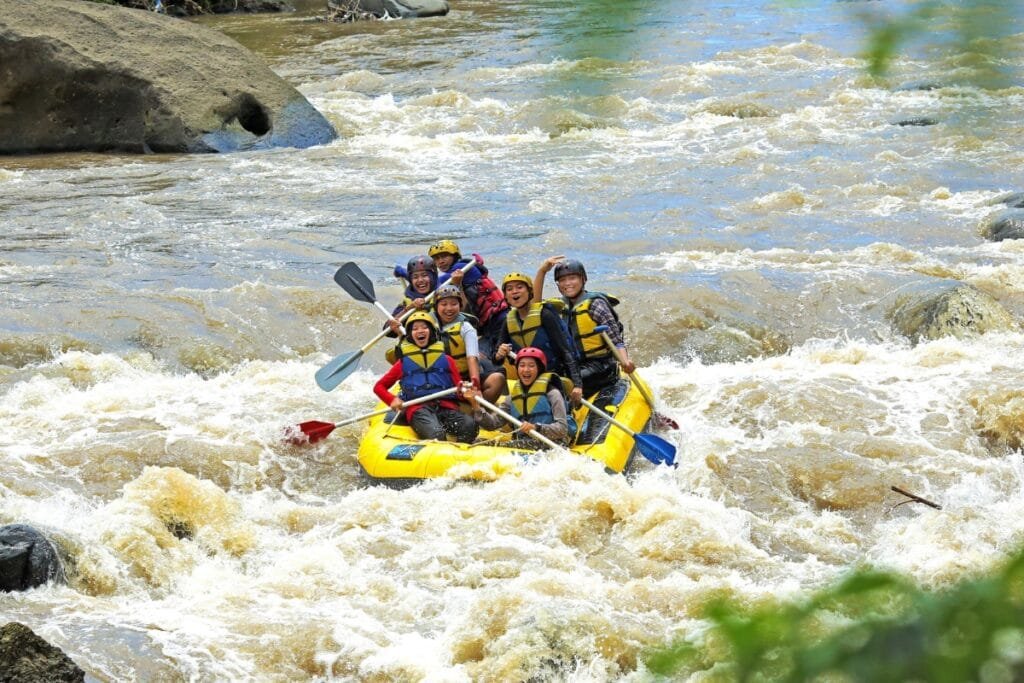
When it comes to combining adventure with teamwork, few activities are as effective as white water rafting. Unlike traditional team-building exercises that may feel structured or forced, rafting creates real situations where participants must communicate clearly, coordinate their actions, and trust one another to navigate challenges successfully.
The Trishuli River is one of Nepal’s most popular rafting destinations for corporate groups due to its convenient location between Kathmandu and Pokhara. As teams paddle through exciting rapids, every participant plays an important role. Success depends on listening carefully to instructions, working in sync with teammates, and maintaining focus under pressure.
One of the biggest advantages of rafting as a team-building activity is that workplace hierarchies naturally disappear. Managers, executives, and employees share the same raft and face the same challenges together. This creates opportunities for genuine interaction and helps break down communication barriers that may exist within the office environment.
Beyond the adventure itself, rafting gives participants a shared accomplishment that often becomes one of the most memorable parts of a corporate retreat. Employees return with stronger relationships, improved trust, and a renewed sense of teamwork that can positively influence workplace collaboration.
2. Amazing Race Challenge in Kathmandu
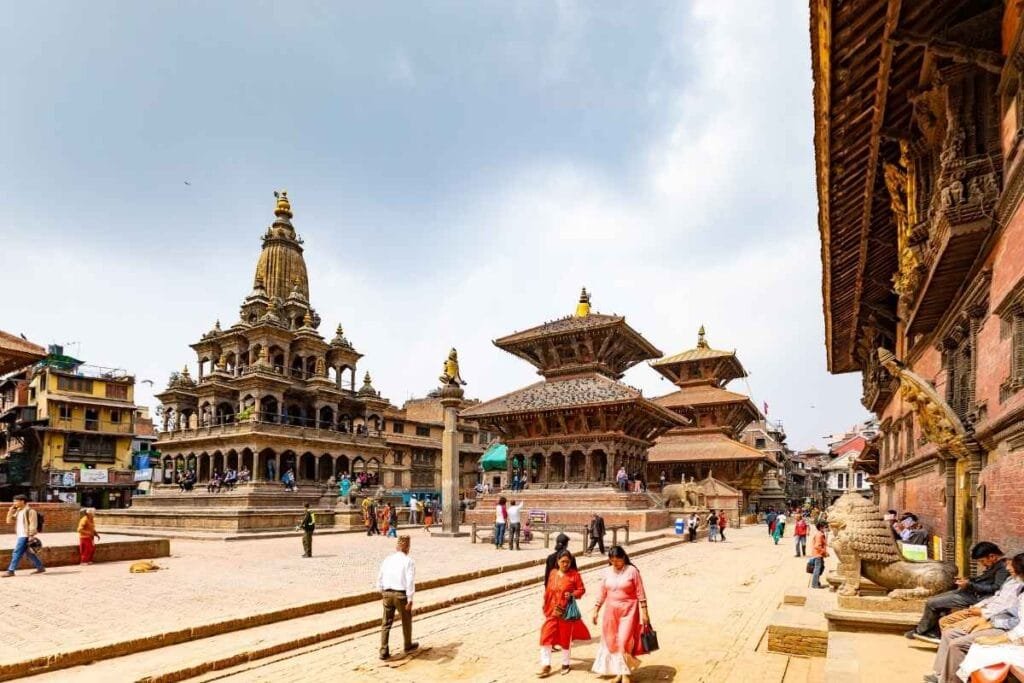
For organizations looking for a team-building activity that combines problem-solving, strategy, and cultural exploration, an Amazing Race-style challenge in Kathmandu offers an exciting alternative to traditional corporate programs.
Inspired by the popular television concept, teams are given a series of clues, tasks, and checkpoints located throughout the city. Participants must work together to solve puzzles, navigate unfamiliar areas, complete challenges, and reach designated destinations before competing teams.
Kathmandu provides an ideal setting for this activity because of its rich cultural heritage and vibrant urban environment. Challenges can include locating historical landmarks, completing local food tasks, solving cultural quizzes, or interacting with local communities to gather information. Every challenge requires communication, collaboration, and creative thinking.
What makes this activity particularly valuable is its ability to reveal hidden strengths within a team. Employees who may not normally take leadership roles often step forward during problem-solving situations, while others contribute through organization, decision-making, or teamwork. The result is a dynamic experience that helps colleagues understand each other’s strengths in a completely different context.
At the same time, participants gain a deeper appreciation for Nepal’s culture while creating memorable experiences together, making this one of the most engaging corporate activities available in the country.
3. Short Trekking Programs in the Himalayas
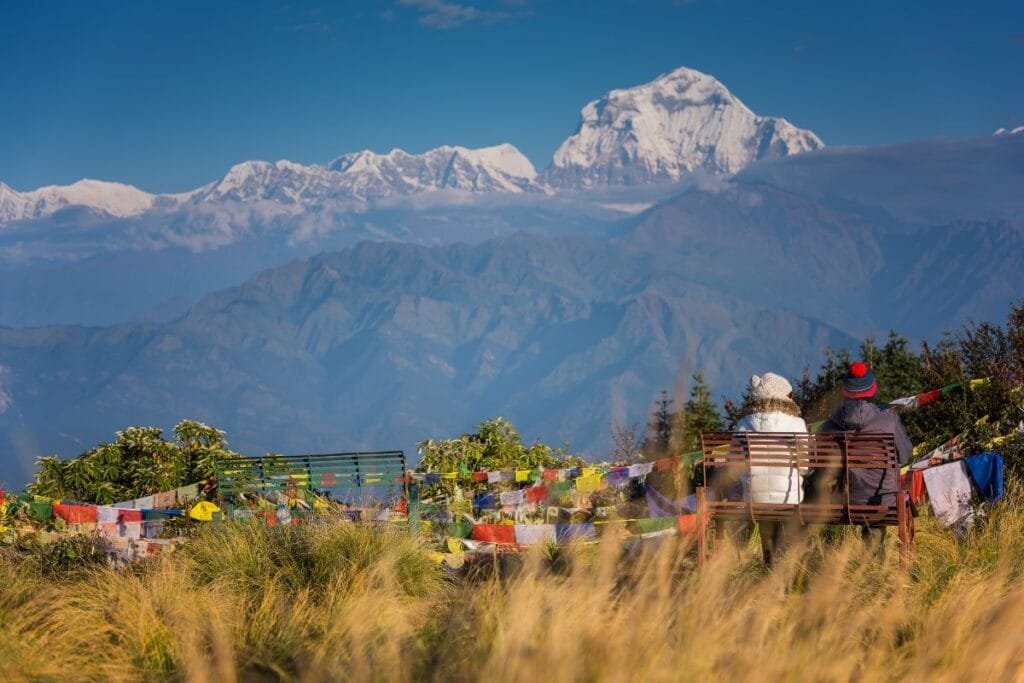
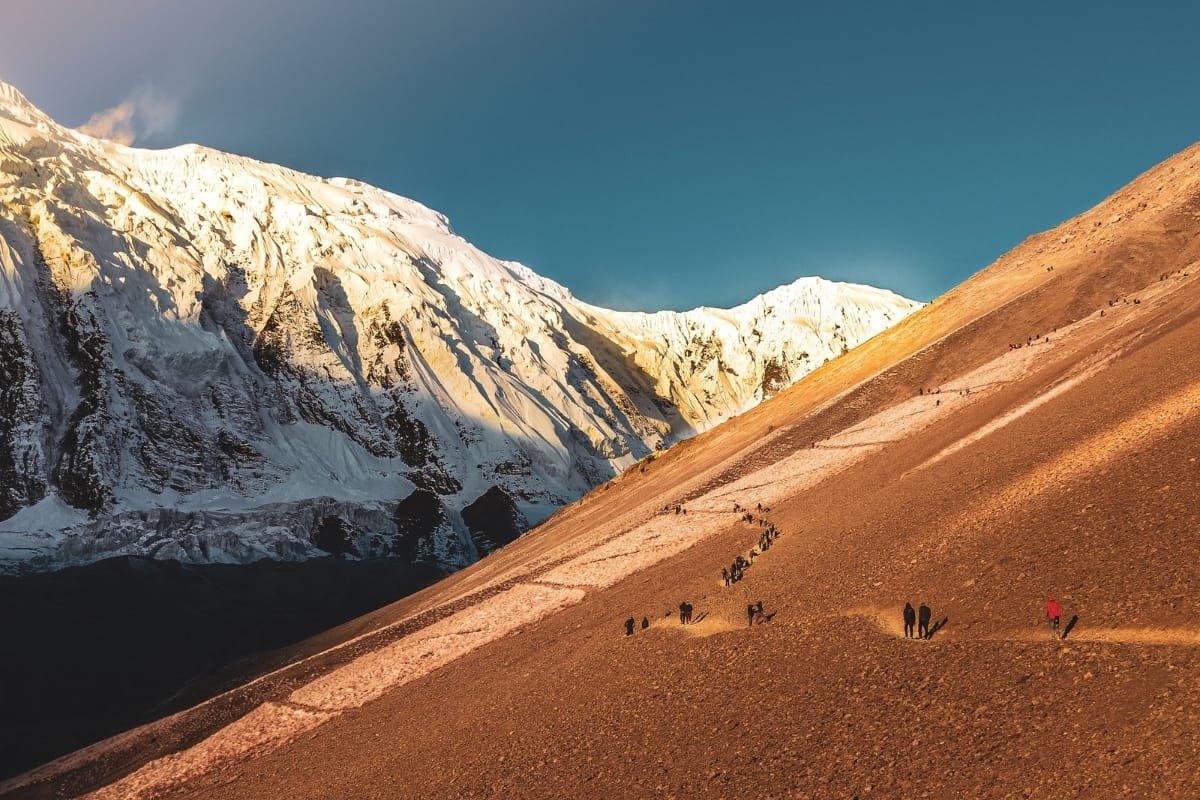
Trekking is one of Nepal’s most iconic experiences, and it can also be one of the most effective forms of team building. Unlike office-based activities, trekking places participants in an environment where cooperation, encouragement, and perseverance become essential.
Corporate groups do not need to undertake lengthy expeditions to benefit from trekking-based team-building programs. Short routes such as Australian Camp, Dhampus, Poon Hill, and Mohare Danda provide excellent opportunities for employees to experience the Himalayas while developing stronger connections with their colleagues.
As teams walk together through forests, traditional villages, and mountain landscapes, they naturally engage in conversations that may never happen in the office. Participants support one another during challenging sections of the trail, celebrate reaching viewpoints together, and share a sense of achievement at the end of each day.
Trekking also promotes qualities that are highly valuable in the workplace, including resilience, adaptability, patience, and goal-oriented thinking. The experience of overcoming physical challenges as a group often strengthens team morale and creates a deeper sense of unity among participants.
For organizations seeking a balance between adventure, wellness, and leadership development, trekking remains one of the most rewarding team-building activities Nepal has to offer.
4. Jungle Team Challenges in Chitwan
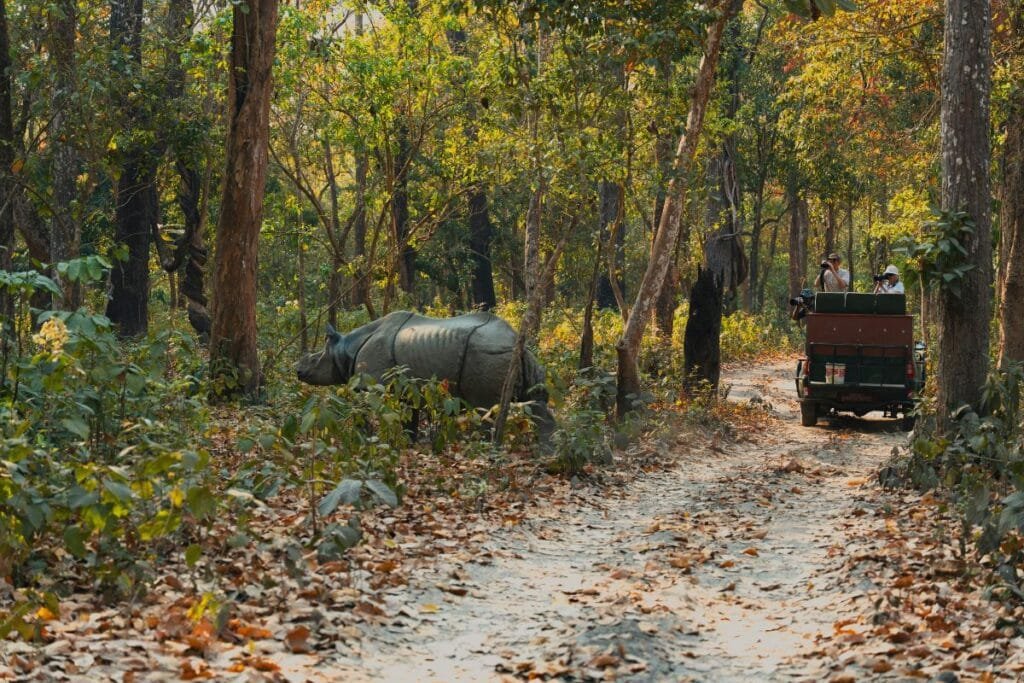
Chitwan offers a completely different setting for corporate team-building activities. Surrounded by forests, rivers, and wildlife, teams can participate in outdoor challenges that encourage collaboration while providing a refreshing break from urban environments.
Activities may include treasure hunts, navigation challenges, survival-style exercises, and problem-solving games designed specifically for corporate groups. These experiences require participants to communicate effectively, share responsibilities, and work together toward common goals.
The natural environment adds an element of unpredictability that encourages adaptability and creative thinking. Unlike structured office exercises, jungle-based activities require teams to respond to changing situations and make decisions collectively.
In addition to the team-building component, participants can enjoy safari experiences, cultural performances, and opportunities to learn about local communities. This combination of adventure and relaxation makes Chitwan a popular destination for corporate retreats looking to combine business objectives with meaningful employee engagement.
5. Corporate Cooking Competitions
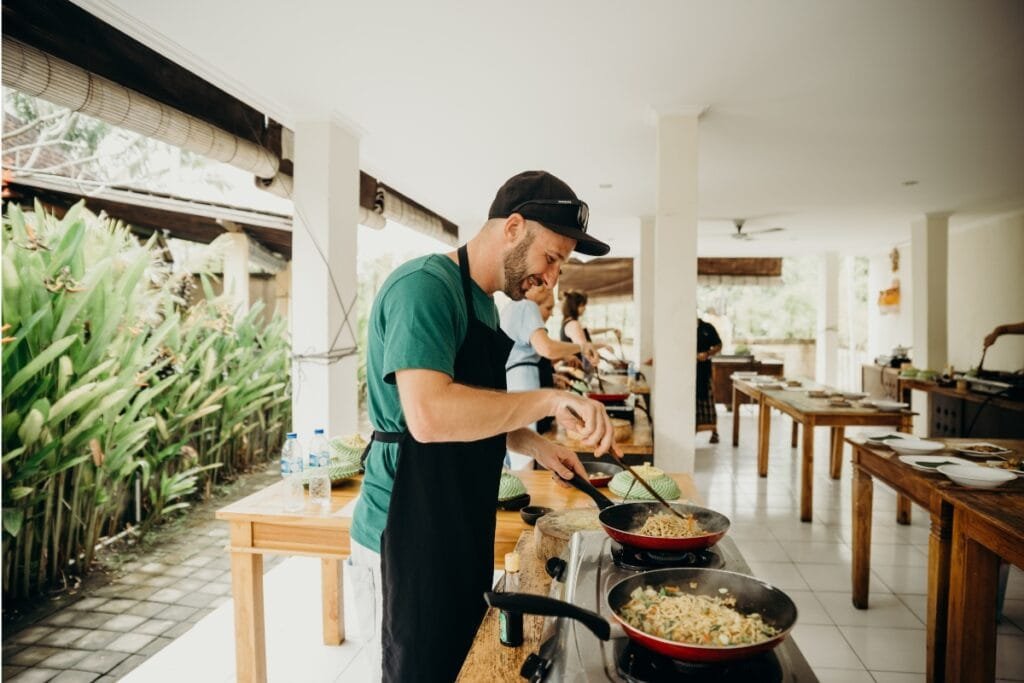
Not every successful team-building activity needs to involve physical challenges or outdoor adventure. Corporate cooking competitions provide a fun and inclusive experience that encourages teamwork in a relaxed environment.
Participants are divided into teams and tasked with preparing dishes within a specific timeframe. Depending on the program, groups may create traditional Nepali meals, international cuisine, or dishes based on surprise ingredients provided at the start of the competition.
Cooking naturally requires collaboration. Team members must divide responsibilities, manage time effectively, solve unexpected problems, and communicate throughout the process. Every individual contributes to the final result, making it an excellent exercise in teamwork and coordination.
Perhaps most importantly, cooking competitions are enjoyable for participants of all ages and fitness levels. They create opportunities for laughter, creativity, and informal interaction while reinforcing valuable workplace skills. The shared experience of preparing and enjoying food together often helps strengthen relationships and improve team dynamics long after the event has ended.
6. Mountain Biking Adventures
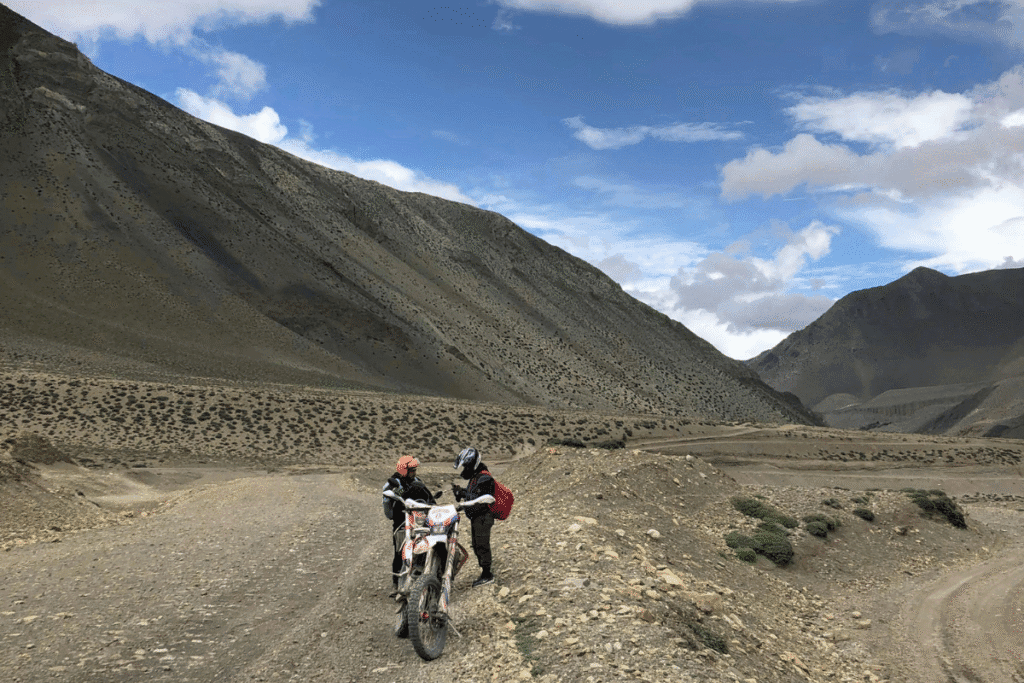
For companies looking to combine physical activity, adventure, and teamwork, mountain biking offers an exciting team-building experience. Nepal’s diverse terrain and scenic landscapes make it one of the best destinations in South Asia for corporate cycling programs. Popular locations such as Shivapuri, Nagarkot, and Pokhara provide routes suitable for both beginners and experienced riders.
Unlike individual fitness activities, group cycling encourages participants to support one another throughout the journey. Team members often help each other navigate challenging sections, maintain a steady pace, and stay motivated during longer rides. These shared experiences naturally strengthen communication and foster a sense of camaraderie among colleagues.
Mountain biking also promotes resilience and problem-solving. Riders must adapt to changing terrain, manage their energy levels, and make quick decisions along the route. These are the same qualities that contribute to success in the workplace. As participants overcome challenges together, they develop stronger trust and appreciation for one another’s strengths.
The combination of fresh air, stunning scenery, and physical activity creates an enjoyable and rewarding experience that employees are likely to remember long after the corporate retreat has ended. For organizations seeking an active and engaging team-building program, mountain biking provides the perfect balance of adventure and collaboration.
Why Nepal is Ideal for Corporate Team Building
Choosing the right destination is just as important as selecting the right activity. Nepal offers a unique combination of natural beauty, cultural diversity, accessibility, and adventure that makes it an outstanding choice for corporate team-building programs.
One of Nepal’s biggest advantages is the variety of experiences available within a relatively small geographical area. A corporate group can hold meetings in Kathmandu, participate in rafting activities on the Trishuli River, enjoy wildlife experiences in Chitwan, and conclude the program with a mountain retreat in Pokhara—all within a few days. This flexibility allows organizations to create customized programs that align with their objectives and budget.
Nepal also offers experiences that are difficult to replicate in traditional corporate destinations. Whether it’s trekking in the Himalayas, participating in cultural workshops, engaging with local communities, or enjoying wellness programs surrounded by mountain views, employees have opportunities to connect with one another in meaningful ways.
From a practical perspective, Nepal provides excellent value for corporate groups. Accommodation options range from luxury resorts to boutique retreats, while meeting facilities, transportation services, and activity providers continue to improve every year. This allows companies to deliver high-quality experiences without the costs often associated with other international MICE destinations.
Most importantly, Nepal creates an environment where teams can step away from workplace distractions and focus on building stronger relationships. The combination of shared experiences, natural surroundings, and authentic cultural encounters helps foster trust, communication, and collaboration—qualities that directly contribute to stronger workplace performance.
Conclusion
Successful team building is not about forcing employees to participate in activities; it is about creating experiences that encourage genuine connection, collaboration, and shared achievement. The most effective programs are those that people enjoy, remember, and continue talking about long after they return to the office.
Nepal offers an exceptional range of team-building opportunities that go far beyond traditional workshops and conference rooms. Whether it is rafting through exciting rapids, trekking in the Himalayas, exploring Kathmandu through an Amazing Race challenge, participating in community projects, or enjoying wellness retreats, each experience provides valuable opportunities for employees to develop stronger relationships and workplace skills.
As organizations continue to prioritize employee engagement, leadership development, and team cohesion, experiential team-building programs are becoming increasingly important. Nepal’s unique blend of adventure, culture, nature, and hospitality makes it an ideal destination for companies seeking meaningful and impactful corporate retreats.
By choosing activities that employees genuinely enjoy, organizations can create memorable experiences that strengthen teamwork, improve communication, and contribute to long-term business success. For companies planning their next corporate retreat or incentive program, Nepal offers the perfect setting to bring teams together and create lasting results.